How I Finally Beat Smoking and Cut Back on Alcohol — For Real This Time
Quitting smoking and drinking less used to feel impossible — I’ve tried, failed, and felt stuck more times than I can count. But everything changed when I stopped relying on willpower and started using exercise as my secret weapon. It wasn’t magic, just consistent movement that reshaped my cravings, mood, and energy. This is how real progress happens — not overnight, but step by step, rep by rep. What began as a simple walk around the block became the foundation of a new life, one where cigarettes and cocktails no longer held power. The journey wasn’t perfect, but it was real — and that’s what made it last.
The Breaking Point: When Habits Hit Hard
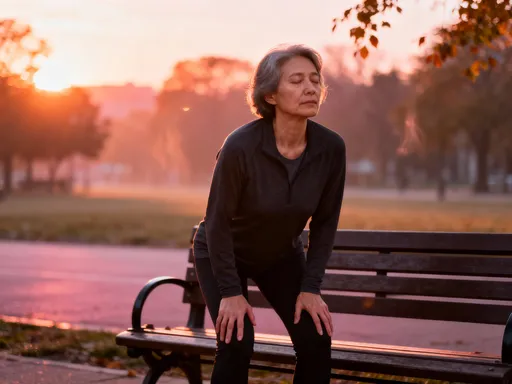
For years, smoking and drinking were woven into the fabric of daily life. A cigarette with morning coffee. Another after lunch. A glass of wine to unwind after the kids were in bed — then another, and sometimes a third. It wasn’t excess, at least not by social standards. It was routine. But over time, the routine started to feel heavier. Breathing became labored during simple tasks — carrying groceries, climbing stairs, even laughing too hard. There was a constant tightness in the chest, a nagging cough that never quite went away. The mirror reflected tired eyes, dull skin, and a body that seemed to be aging faster than it should.
The emotional toll was just as real. There were mornings filled with regret, not because of anything dramatic, but because of the quiet awareness that another night had been spent numbing out instead of resting. The wine that was supposed to relieve stress often left behind a foggy head and low mood the next day. The cigarette breaks, once social and comforting, began to feel like chains. Each attempt to quit ended the same way — a few days of determination, followed by a stressful moment, and then the familiar ritual restarting as if nothing had changed. The cycle wasn’t just frustrating; it was eroding self-trust.
What finally shifted wasn’t a single dramatic event, but a slow accumulation of discomfort. One evening, while playing with a young nephew, a simple game of tag left me winded and embarrassed. I had to sit down after less than a minute. That moment pierced through the excuses. It wasn’t about looking better or fitting into old jeans — it was about being present, capable, and alive in the moments that mattered. The habits that once felt like small comforts had become barriers to the life I actually wanted. That realization wasn’t motivating at first — it was painful. But pain, when acknowledged, can become the starting point for change.
Why Willpower Isn’t Enough (And What Actually Works)
Most people believe quitting smoking or cutting back on alcohol is a test of discipline. The message is clear: just stop. But anyone who’s struggled with these habits knows that willpower alone rarely wins in the long run. The brain is not designed to respond to sheer force of will when deeply ingrained patterns are involved. Habits like smoking and drinking are not just behaviors — they are neurological pathways reinforced over time, tied to emotions, routines, and even identity. Trying to break them with willpower is like trying to redirect a river by standing in its path.
The truth is, cravings are not moral failures. They are biological signals. Nicotine and alcohol both affect the brain’s reward system, increasing dopamine — the chemical linked to pleasure and motivation. Over time, the brain begins to associate these substances with relief, comfort, or control. When stress arises, the brain doesn’t ask for a deep breath or a walk — it signals for the quickest, most familiar source of dopamine. This is not weakness; it’s wiring. And no amount of self-scolding can rewire it overnight.
What works instead is replacement. Sustainable change happens not by white-knuckling through cravings, but by offering the brain a healthier alternative that provides similar benefits. Exercise is one of the most powerful tools for this. Physical activity naturally boosts dopamine, reduces stress hormones like cortisol, and improves mood — all without the harmful side effects of nicotine or alcohol. More importantly, it builds a new routine, one that occupies the time, energy, and emotional space once filled by old habits. The shift isn’t about deprivation; it’s about substitution with something that truly nourishes.
Exercise as a Game-Changer: The Science Made Simple
At first, the idea that movement could help with addiction felt far-fetched. How could a walk or a few stretches possibly compete with the instant hit of a cigarette or the warm buzz of a drink? But the science behind it is both solid and surprisingly simple. When you move your body, whether it’s walking, dancing, or lifting light weights, your brain releases a cascade of beneficial chemicals. Endorphins reduce pain and boost pleasure. Serotonin helps regulate mood and sleep. And dopamine — the same chemical targeted by nicotine and alcohol — increases naturally, creating a sense of well-being without dependency.
Exercise also helps regulate the body’s stress response. Chronic stress is a major trigger for both smoking and drinking. When cortisol levels stay high, the brain craves quick fixes to feel calm. Physical activity helps lower cortisol over time, making the body more resilient to daily pressures. Even a single session of moderate movement can reduce anxiety and improve mental clarity within minutes. This doesn’t mean exercise eliminates stress — life will always have challenges — but it changes how the body and mind respond to them.
Sleep is another critical factor. Poor sleep disrupts emotional regulation and weakens impulse control, making cravings harder to resist. Regular physical activity improves sleep quality by helping the body fall asleep faster and stay in deeper sleep stages longer. Better rest means more energy, clearer thinking, and greater emotional stability — all of which support recovery. The beauty of this process is that it doesn’t require intense workouts. Consistency matters far more than intensity. A daily 15-minute walk can begin to shift brain chemistry in ways that make healthier choices feel more natural over time.
My First Move: Starting Small Without Burning Out
Knowing the benefits wasn’t enough. The real challenge was starting — especially after years of false starts and self-criticism. The biggest mistake I made in past attempts was aiming too high. I’d sign up for a gym, buy expensive clothes, and promise myself a complete transformation overnight. Within a week, the guilt of missed workouts would pile up, motivation would fade, and the whole effort would collapse. This time, I decided to start so small that saying no would feel absurd.
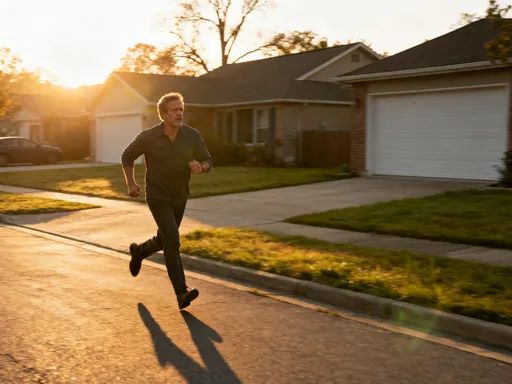
The first goal was simply to walk for 10 minutes a day. That was it. No tracking, no special gear, no pressure to go faster or farther. I chose the time right after dinner, when I would normally reach for a cigarette or pour a glass of wine. Instead, I put on comfortable shoes and stepped outside. Some days, the walk lasted 8 minutes. Others, I circled the block twice. The point wasn’t perfection — it was presence. Showing up, even briefly, began to rebuild a sense of agency. I wasn’t chasing results; I was rebuilding trust with myself.
Fitting movement into a busy schedule felt like another hurdle, but I learned to treat it like any other non-negotiable appointment. Ten minutes in the morning before the house woke up. A short stretch during a work break. A walk around the parking lot after grocery shopping. These moments added up without demanding a lifestyle overhaul. The key was to remove friction — keep shoes by the door, play music that energized me, and let go of the idea that movement had to look a certain way. Progress wasn’t measured in miles or calories, but in consistency and self-kindness.
Building Momentum: How Movement Changed My Routine
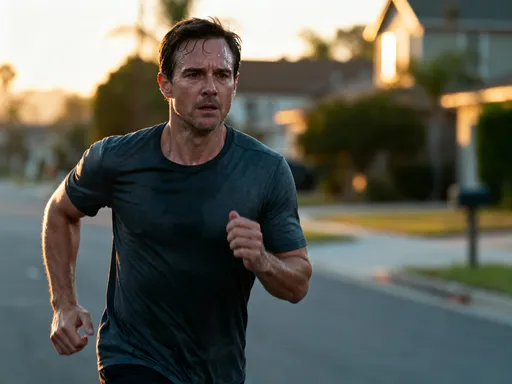
After a few weeks, something subtle but powerful began to shift. The 10-minute walk turned into 15, then 20. I started noticing how much clearer I felt afterward — not wired, but calm and focused. The post-dinner cigarette urge didn’t vanish, but it lost its urgency. Instead of reaching for a lighter, I’d lace up my shoes. The act of moving became a new ritual, one that didn’t leave me feeling sluggish or guilty. It created a small but meaningful gap between trigger and response — and in that gap, choice became possible.
Weekends changed too. Friday nights used to mean meeting friends at a bar, where drinks flowed easily and smoking felt social. Now, I started suggesting alternatives — a walk in the park, a casual dinner, or even a home workout while listening to a podcast. At first, it felt awkward. I worried about missing out or seeming judgmental. But the truth was, I didn’t miss the hangovers or the regret. I missed the connection, not the alcohol. By replacing the habit with movement and mindful socializing, I kept the joy without the cost.
My relationship with my body began to transform. Exercise wasn’t punishment for past choices — it became a form of care. I started noticing strength I didn’t know I had. I could walk up hills without stopping. I slept more deeply. My skin looked brighter. These changes weren’t dramatic, but they were real. And with each small win, the old habits started to feel less like comforts and more like intrusions. Smoking and drinking didn’t fit the person I was becoming. The shift wasn’t forced — it evolved naturally as my daily life filled with healthier rhythms.
Real Challenges — And How I Kept Going
Progress wasn’t linear. There were days when motivation disappeared, when the weather turned cold and rainy, when work piled up and the thought of moving felt exhausting. Old cravings resurfaced, especially during stressful moments. One evening, after a difficult phone call, the urge to light a cigarette was so strong I almost gave in. But instead, I remembered a simple rule I had adopted: just move. I didn’t have to run. I didn’t have to do anything impressive. I just had to put one foot in front of the other.
That night, I walked around the living room for five minutes. It wasn’t heroic, but it broke the spell. The craving passed. I learned that action doesn’t have to match the scale of the emotion — it just has to happen. On days when going outside wasn’t possible, I did stretches, danced to a favorite song, or followed a short online video. The goal wasn’t intensity; it was disruption. Movement became a tool to reset my nervous system, not a performance to perfect.
Social situations remained tricky. Parties, family gatherings, and holidays often centered around alcohol. I found that having a plan helped — bringing my own sparkling water with lime, setting a drink limit in advance, or arriving with a friend who supported my goals. I also learned to be gentle with myself. If I had a drink more than intended, I didn’t label it a failure. I acknowledged it, learned from it, and returned to my routine the next day. Resilience wasn’t about never slipping — it was about never staying down.
Long-Term Gains: More Than Just Quitting
More than a year in, the changes extend far beyond not smoking or drinking less. My energy levels have stabilized. I wake up without grogginess. My focus at work has improved. I handle stress more calmly, not because life is easier, but because my body and mind are better equipped to manage it. My clothes fit differently — not because I’ve lost a dramatic amount of weight, but because my posture is better and my muscles are stronger.
Sleep has transformed. I fall asleep faster and wake up refreshed. My skin looks healthier, with fewer breakouts and less dullness. Headaches that used to plague me weekly have nearly disappeared. These benefits weren’t the goal at first, but they’ve become powerful reinforcements. Each one reminds me that health isn’t a destination — it’s a daily practice.
Perhaps the most profound shift has been internal. I feel more capable, more in control, more like myself. The constant battle with cravings has quieted. I no longer define myself by my vices or my failures. Exercise has become less of a strategy and more of a lifestyle — a way of honoring my body and my future. The time once spent recovering from hangovers or hiding coughs is now filled with walks, strength training, and moments of quiet joy. The ripple effects touch everything — my relationships, my work, my sense of purpose.
Quitting smoking and cutting back on alcohol wasn’t about willpower. It was about creating a life where those habits no longer had a place. Exercise didn’t just distract me — it rebuilt me. It offered a healthier version of the relief, routine, and reward that I had once sought in cigarettes and wine. The journey wasn’t easy, but it was possible. And it began with a single step — not a grand resolution, but a small, consistent choice to move forward. For anyone feeling stuck, know this: change is not about perfection. It’s about showing up, again and again, with kindness and courage. And sometimes, the most powerful tool isn’t a pill or a program — it’s your own two feet, ready to carry you toward a better life. Always consult a healthcare provider before making significant changes to your health routine, especially when addressing addiction and lifestyle shifts.