You Won’t Believe How Fast These Moves Crush Stress and Boost Immunity
Ever feel like your body’s always one step behind? I’ve been there—tired, tense, and constantly catching colds. That’s when I discovered quick, science-backed exercise techniques that aren’t just about fitness. They’re about staying ahead of illness. In just minutes a day, these moves reduce inflammation, improve circulation, and strengthen your body’s natural defenses. This is preventive healthcare that actually fits into real life. No gym, no gear, no grand commitments—just simple actions that align with how your body is designed to stay healthy. And the best part? You can start today, right where you are.
The Hidden Cost of Inactivity
In today’s world, many women between 30 and 55 find themselves caught in a cycle of constant motion—rushing between work, family, meals, and bedtime routines—yet rarely moving their bodies in ways that truly support long-term health. The irony is sharp: we’re busy, but not active. This kind of sedentary lifestyle, even when paired with a seemingly full schedule, carries a quiet but serious cost. Over time, lack of intentional movement weakens the body’s ability to respond to daily stressors, slows recovery from minor illnesses, and increases the risk of chronic conditions such as type 2 diabetes, cardiovascular issues, and persistent fatigue.
The signs are often subtle at first. You might notice you’re more prone to colds during the school season, or that it takes longer to bounce back after a late night. Maybe you feel stiff when you stand up after sitting, or you rely on coffee just to stay alert. These aren’t just inconveniences—they’re signals. Your body is communicating that its natural defense systems are under strain. Immune cells circulate less efficiently, inflammation builds in the background, and the nervous system stays locked in low-grade stress mode. Without intervention, this pattern can become the new normal.
For women managing households and careers, the idea of adding another task—especially exercise—can feel overwhelming. But the truth is, inactivity isn’t neutrality. It’s an active contributor to declining wellness. The good news? You don’t need hours at the gym to reverse course. Even small, consistent shifts in daily movement can send powerful signals to your body that it’s safe, supported, and strong. The key is not intensity, but regularity. And it starts with recognizing that movement isn’t a luxury—it’s a biological necessity.
Why Prevention Beats Reaction
Most of us wait until something goes wrong before we act—until a doctor’s visit reveals high blood pressure, or a bout of flu keeps us in bed for days. But the most effective health strategy isn’t reaction; it’s prevention. Think of your body like a home. If you only clean when it’s visibly dirty or repair it after a pipe bursts, maintenance becomes stressful and expensive. But if you wipe counters daily and check the furnace each season, small efforts prevent major problems. The same principle applies to health.
Preventive healthcare often brings to mind annual screenings or balanced meals, but physical activity is equally foundational. Unlike medications or procedures, which often address symptoms, movement works upstream—supporting the body’s innate ability to regulate, repair, and defend itself. When you move regularly, you’re not chasing fitness goals alone; you’re reinforcing your body’s resilience. This isn’t about looking a certain way. It’s about feeling capable, energized, and less vulnerable to the everyday threats that wear us down.
Many women view exercise as a form of punishment for eating too much or sitting too long. But reframing it as protection changes everything. Every time you stretch, walk, or breathe deeply with motion, you’re sending a message to your immune system: I’m taking care of you. You’re not asking for peak performance—you’re asking for readiness. And this kind of daily upkeep doesn’t require dramatic change. It only asks for consistency. When prevention becomes a habit, not a chore, you stop playing catch-up with your health and start staying ahead of it.
The Science Behind Movement and Immunity
At the core of your body’s defense is the immune system—a complex network designed to identify and neutralize threats like viruses, bacteria, and damaged cells. But this system doesn’t work in isolation. It depends on circulation, oxygen levels, and hormonal balance—all of which are influenced by physical activity. When you move, even gently, you activate processes that keep your immunity sharp and responsive.
One of the most important mechanisms is lymph flow. Unlike blood, which has the heart to pump it, the lymphatic system relies on muscle contractions to circulate fluid that carries immune cells throughout the body. Without movement, this fluid slows, allowing toxins and pathogens to linger. Dynamic motions—like marching in place or shoulder rolls—act like a pump, helping lymph move efficiently and boosting surveillance by white blood cells. This is why you might feel clearer and more alert after just a few minutes of movement—it’s not just circulation; it’s your immune system waking up.
Another critical factor is stress hormone regulation. Chronic stress elevates cortisol, a hormone that, in excess, suppresses immune function. Elevated cortisol over time reduces the production of protective antibodies and slows wound healing. Physical activity, especially rhythmic and mindful movement, helps lower cortisol levels. It signals to the brain that the environment is safe, allowing the body to shift from survival mode to maintenance mode. This doesn’t require intense workouts—just consistent, moderate activity that supports balance.
Additionally, movement increases body temperature slightly, mimicking a mild fever—a natural defense mechanism that makes it harder for pathogens to survive. It also improves sleep quality, which is directly tied to immune strength. During deep sleep, the body produces cytokines, proteins that target infection and inflammation. By supporting better sleep through daytime activity, you’re giving your immune system the nighttime resources it needs. The science is clear: movement isn’t just good for the heart or muscles. It’s essential fuel for your body’s internal security system.
The 5-Minute Defense Routine
You don’t need a fitness tracker or special clothing to begin. This simple, science-aligned routine takes less than five minutes and can be done anywhere—by the kitchen counter, in a home office, or even beside your bed in the morning. The goal isn’t to sweat or exhaust yourself. It’s to awaken your circulation, reset your nervous system, and signal strength to your immune system. Each movement is designed to be gentle, repeatable, and effective.
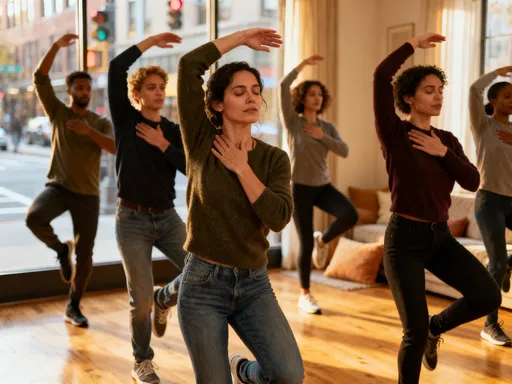
Start with **dynamic stretching**. Stand with feet hip-width apart and slowly roll your shoulders forward for 30 seconds, then backward for another 30. This loosens the upper back and neck, areas where tension often accumulates. Follow this with arm circles—small at first, gradually increasing the range. These motions stimulate joint fluid and encourage lymph flow in the upper body, where many lymph nodes are concentrated.
Next, shift into **brisk marching in place** for one minute. Lift your knees slightly higher than usual and swing your arms. This gets your heart rate up just enough to boost circulation without strain. As you march, focus on deep, rhythmic breathing—inhale through the nose for four counts, exhale through the mouth for six. This breathing pattern activates the parasympathetic nervous system, helping to calm stress responses while oxygenating your blood.
Now add **shoulder rolls combined with side stretches**. Roll your shoulders backward ten times, then reach one arm overhead and lean gently to the opposite side. Hold for 15 seconds, then switch. This opens the ribcage, improves lung capacity, and encourages fluid movement through the lymphatic channels along the torso. Finish with **deep breathing while seated or standing**—inhale deeply into the belly, hold for three seconds, and exhale slowly. Repeat five times. This final step grounds the nervous system and completes the cycle of physical and mental reset.
Do this sequence once in the morning, or break it into two shorter sessions—three minutes upon waking, two before bed. You’ll notice your body feels more awake, your breathing deeper, and your mind clearer. These aren’t dramatic changes, but they’re meaningful. And over time, they build a foundation of resilience that protects you from the inside out.
When and Where to Squeeze It In
One of the biggest barriers to consistent movement isn’t lack of time—it’s lack of integration. Many women think they need a dedicated block of 30 minutes to “exercise,” but that mental hurdle keeps them from starting. The truth is, micro-moments of movement add up quickly and deliver real benefits. The key is to attach these actions to existing habits, making them nearly automatic.
Try the **post-alarm routine**: when your morning alarm sounds, don’t reach for your phone. Instead, sit up, stretch your arms overhead, and do 30 seconds of shoulder rolls before your feet touch the floor. This simple act signals to your body that a new day has begun and jumpstarts circulation. Another powerful moment is the **pre-meeting activation**. If you work from home or commute to an office, stand up five minutes before a meeting and do a quick round of marching and arm swings. You’ll feel more alert and less stiff during long sits.
The **midday reset** is equally valuable. After lunch, instead of scrolling through a screen, step into another room and complete the full five-minute routine. This combats the post-meal energy dip and supports digestion and circulation. Even smaller actions count: while brushing your teeth, rise onto your toes ten times to engage calf muscles and promote blood flow from the legs. While waiting for the kettle to boil, twist gently from side to side to loosen the spine.
These aren’t replacements for longer walks or stretching sessions, but they ensure that movement becomes a thread woven through your day. Over time, these small efforts condition your body to stay responsive, reduce stiffness, and maintain steady energy. And because they require no preparation, they’re sustainable—even on the busiest days. The goal isn’t perfection. It’s presence. When movement becomes part of your rhythm, not a separate task, your body learns to expect and benefit from it.
Real Results, Not Hype
It’s important to be realistic: no five-minute routine will transform your health overnight. But consistent practice leads to tangible, observable changes that many women report within weeks. One of the earliest benefits is improved sleep. As your body learns to regulate stress hormones and circulate fluids more efficiently, falling asleep becomes easier, and sleep quality deepens. You may wake feeling more restored, not just physically but mentally.
Another common shift is mental clarity. Many women describe feeling “less foggy” or “more in control” of their thoughts. This isn’t placebo—it’s physiology. Increased blood flow to the brain, better oxygenation, and reduced inflammation all support cognitive function. You might find it easier to focus during the day, remember details, or manage multiple tasks without feeling overwhelmed.
Perhaps most meaningful is the change in resilience. You may notice you’re not catching every cold that goes around the office or school. When you do get sick, recovery feels faster. These aren’t guarantees, but they reflect a body that’s better equipped to defend itself. Other subtle wins include improved digestion, reduced muscle stiffness, and a greater sense of emotional balance. These benefits don’t shout—they whisper. But over time, they add up to a stronger, more confident relationship with your body.
The power of this approach lies in compounding. Just as small financial contributions grow over time, small movements build a reserve of health. You’re not chasing a single dramatic result. You’re investing in daily maintenance that pays dividends in energy, immunity, and peace of mind. And because the routine is low-pressure and adaptable, it’s more likely to stick than a rigid fitness plan.
Making It Stick Without Burnout
Motivation fades. That’s normal. What lasts isn’t willpower, but systems. To make this routine a lasting part of your life, focus on habit formation, not intensity. One of the most effective strategies is **habit stacking**—linking the new behavior to something you already do consistently. For example, after you pour your morning coffee, do one minute of shoulder rolls and deep breathing. Or after you hang up from a phone call, stand and march in place for 60 seconds.
**Environmental cues** also help. Place a small reminder on your bathroom mirror, like a sticky note that says “Breathe and move.” Or set a gentle daily alert on your phone labeled “Body check-in.” These prompts aren’t demands—they’re invitations to reconnect with yourself. Over time, the cues become automatic, and the actions follow naturally.
Avoid the trap of all-or-nothing thinking. If you miss a day, don’t abandon the routine. Health isn’t built on perfection. It’s built on return. Even if you only do two minutes instead of five, you’re still sending a positive signal to your body. Instead of tracking minutes, try noticing how you feel. Do you have more energy? Less tension? Better sleep? These subjective markers are often more meaningful than numbers on a clock.
Finally, be kind to yourself. You’re not failing if progress feels slow. You’re learning. This isn’t about becoming an athlete. It’s about becoming more resilient, more present, and more in tune with your body’s needs. When you frame movement as self-respect rather than obligation, it becomes something you want to do, not something you have to do. And that shift—in mindset and in habit—is where lasting change begins.
Staying healthy isn’t about extreme measures or dramatic overhauls. It’s about small, consistent actions that honor your body’s need for movement, balance, and care. The five-minute defense routine isn’t a cure-all, but it is a powerful tool—one that fits into real life and delivers real results. By making movement a daily ritual, you’re not just avoiding illness. You’re building a stronger, more vibrant version of yourself. Start today. Stay steady. Trust the process. And always consult with a healthcare provider before beginning any new health routine—this guidance is meant to support, not replace, professional medical advice.