What Changed When I Quit Smoking and Cut Back on Alcohol — Real Health Shifts You Can Feel
Have you ever wondered how your body truly responds when you quit smoking and drink less? I did — and within weeks, I noticed shifts I never expected. My energy rose, my sleep improved, and even my skin looked different. These weren’t miracles, just real signals from my body. This is what happened to my health indicators — and what might happen to yours.
The Wake-Up Call: Why I Finally Listened to My Body
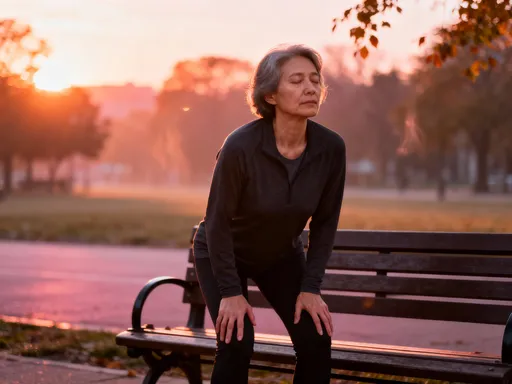
It wasn’t a hospital visit or a doctor’s warning that made me reconsider my habits. It was something quieter — a growing awareness that I was no longer feeling like myself. For years, I dismissed fatigue as part of getting older, irritability as stress from daily responsibilities, and sluggish mornings as just the price of a busy life. But the truth was harder to ignore: I was tired all the time, even after a full night’s sleep. I’d feel short of breath climbing stairs. My recovery after minor illnesses took longer than it used to. And my mood — once steady and resilient — had become unpredictable.
What finally shifted was a simple question: Could my daily choices be the cause? I wasn’t a heavy smoker — maybe five to ten cigarettes a day — and my drinking wasn’t out of control. I only had wine with dinner or a drink at weekend gatherings. But consistency matters. Over time, even moderate habits can wear down the body’s resilience. I began to connect the dots between how I felt and what I was doing. The morning headaches, the afternoon energy crashes, the way I relied on caffeine and nicotine to push through the day — it wasn’t normal. It was my body asking for a break.
That moment of clarity didn’t come with drama. There was no crisis, no emergency. But it was real. I realized I wasn’t living poorly because of age or stress — I was living poorly because of habits I had normalized. And if I could normalize them, I could change them. The first step wasn’t quitting cold turkey or swearing off alcohol forever. It was simply deciding to pay attention. To stop ignoring the signals and start listening to what my body had been trying to say.
What Are Health Indicators — And Why They Matter More Than Numbers
When we think about health, we often focus on numbers: cholesterol levels, blood pressure, weight, or BMI. These metrics are important, but they only tell part of the story. True health is also measured by how you feel every day. Energy levels, sleep quality, breathing ease, emotional stability, skin condition, and how quickly your body recovers from exertion — these are powerful health indicators that reflect what’s happening beneath the surface.
Unlike lab results, which require a visit to the clinic, these signs are available to you every single day. They’re your body’s way of communicating. When your energy dips mid-afternoon, when you wake up feeling unrested, when you catch every cold that goes around — these aren’t just inconveniences. They’re signals that something is off balance. And often, lifestyle habits like smoking and drinking are at the root.
Smoking damages the lungs and circulatory system, reducing oxygen flow and increasing inflammation. Alcohol, even in moderate amounts, disrupts sleep cycles, dehydrates the body, and affects liver function and brain chemistry. Over time, these effects accumulate. You may not see them on a test, but you feel them in your stamina, your mood, and your overall sense of well-being. The good news is that when you remove or reduce these stressors, the body begins to respond — often faster than you’d expect.
Recognizing these subtle shifts is key. Many people wait for a major diagnosis before making changes. But by paying attention to daily indicators, you can catch imbalances early and take action before more serious issues develop. Your body doesn’t need a crisis to tell you it’s struggling. It’s already speaking — you just have to learn to listen.
Week One: The Unexpected Physical Reactions
The first week after quitting smoking and cutting back on alcohol was both challenging and revealing. I expected some discomfort, but I didn’t anticipate how quickly my body would begin to respond. The first few days brought headaches, irritability, and strong cravings. I felt restless, and my sleep was disrupted. At first, I worried I’d made a mistake. But as I researched what was happening, I realized these weren’t signs of failure — they were signs of healing.
Withdrawal symptoms are real, but they’re temporary. Nicotine leaves the body within 72 hours, and as it does, your brain chemistry begins to reset. The headaches and dizziness many experience are due to improved circulation and oxygen flow — your blood vessels are relaxing, and your brain is adjusting. Cravings, while intense, typically last only a few minutes. I learned to ride them out with deep breathing or a short walk, and each time I did, I felt a small sense of victory.
One of the most surprising changes was in my breathing. By day four, I noticed I could take deeper breaths without coughing. The constant throat tickle I’d grown used to was gone. My lungs, once irritated by smoke, were beginning to clear. Cilia — the tiny hair-like structures that help clear mucus and debris — start regenerating within days of quitting. This means your lungs become more efficient at cleaning themselves, reducing coughing and improving airflow.
Reducing alcohol had equally noticeable effects. I used to wake up with a dry mouth and a slight headache, even after just one glass of wine. Now, I woke up feeling more hydrated. My digestion improved, and I no longer relied on coffee to jumpstart my morning. Blood sugar levels stabilized, which helped reduce energy crashes. These weren’t dramatic transformations — they were quiet, consistent improvements that added up quickly.
The Mental Shift: Clarity, Focus, and Emotional Balance
One of the most profound changes I experienced was in my mental clarity. For years, I’d accepted a certain level of brain fog — difficulty focusing, forgetting names, struggling to follow conversations. I assumed it was just part of aging or the cost of a busy schedule. But within ten days of quitting smoking and cutting back on alcohol, I noticed a shift. My thoughts felt sharper. I could concentrate longer, remember details more easily, and make decisions with greater confidence.
Nicotine and alcohol both affect brain function. Nicotine is a stimulant that creates a false sense of alertness, but it also overstimulates the nervous system, leading to anxiety and mental fatigue over time. Alcohol, even in small amounts, disrupts neurotransmitters like GABA and glutamate, which regulate mood and cognition. When you remove these substances, your brain recalibrates. Cognitive function improves not because you’re adding something — but because you’re removing interference.
My mood stabilized significantly. The afternoon irritability, the sudden waves of anxiety, the emotional rollercoaster — they began to fade. I wasn’t just feeling better physically; I was feeling more emotionally balanced. I had more patience with my family, more resilience in stressful situations, and a greater sense of inner calm. This wasn’t due to a change in my circumstances — it was due to a change in my biochemistry.
Mental energy returned in ways I hadn’t expected. Simple tasks — like organizing the pantry, helping with homework, or planning a meal — felt less overwhelming. I had the motivation to start small projects I’d been putting off. This wasn’t about willpower; it was about having the mental bandwidth to engage with life again. My mind wasn’t clouded by the aftereffects of smoke and alcohol. It was free to function as it was meant to.
Sleep Transformation: From Shallow Rest to Deep Recovery
Sleep is one of the most underrated aspects of health — and one of the most affected by smoking and drinking. I used to think I slept fine. I’d go to bed at a reasonable hour and stay in bed for seven or eight hours. But I rarely woke up feeling refreshed. Mornings were sluggish, and I’d rely on caffeine to get going. What I didn’t realize was that both smoking and alcohol were sabotaging my sleep quality, even if I didn’t notice it at the time.
Smoking disrupts sleep in several ways. Nicotine is a stimulant, so it can delay the onset of sleep and reduce total sleep time. It also increases the likelihood of waking up during the night. Smokers are more prone to sleep apnea and other breathing-related sleep disorders, which fragment sleep and reduce oxygen flow to the brain. Even light smoking can have a measurable impact on restfulness.
Alcohol, despite its reputation as a relaxant, actually impairs deep sleep. While it may help you fall asleep faster, it suppresses REM sleep — the stage where memory consolidation and emotional processing occur. This leads to lighter, less restorative sleep. You may sleep for hours, but you don’t feel restored because your brain hasn’t completed its recovery cycle.
After cutting back, I noticed changes quickly. I fell asleep more easily — not because I was more tired, but because my body wasn’t fighting against stimulants. I stayed asleep longer without waking up. Most importantly, I began to wake up feeling refreshed. My dreams became more vivid, a sign that REM sleep was returning. I no longer needed an alarm to get up. My body was naturally aligning with its circadian rhythm, thanks to the absence of substances that had been throwing it off.
Melatonin, the hormone that regulates sleep, began to function more effectively. Without alcohol suppressing it and nicotine disrupting its release, my body could produce and respond to melatonin naturally. This meant better sleep onset, fewer nighttime awakenings, and a smoother transition into deep, restorative rest. Sleep became a source of energy, not just a necessary pause in the day.
Visible Changes: Skin, Weight, and Overall Appearance
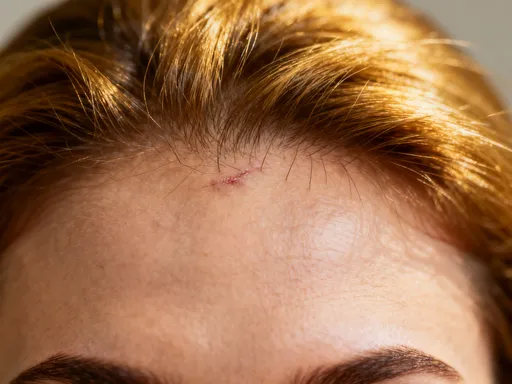
One of the most unexpected benefits was the improvement in my appearance — not because I was chasing beauty, but because my body was healing from the inside out. My skin, once dull and slightly dry, began to look brighter and feel more hydrated. Fine lines around my eyes appeared softer. The puffiness under my eyes, which I’d blamed on aging, started to fade. These weren’t the result of new skincare products — they were the result of better circulation, improved hydration, and reduced inflammation.
Smoking accelerates skin aging by reducing blood flow to the skin and breaking down collagen and elastin. It also depletes vitamin C, which is essential for skin repair. Alcohol contributes to dehydration and inflammation, leading to redness, dryness, and a tired appearance. When I stopped these habits, my skin began to recover. It wasn’t overnight, but the changes were steady and noticeable.
I also experienced natural weight stabilization. I didn’t go on a diet or increase my exercise routine, but I lost a few pounds within the first month. Alcohol is high in empty calories, and drinking often leads to late-night snacking or poor food choices. By cutting back, I consumed fewer calories without effort. Additionally, my appetite regulation improved — I was less likely to crave sugary or processed foods, likely due to more stable blood sugar and hormone levels.
What surprised me most was how others noticed. Friends and family began saying things like, “You look healthier,” or “You seem more energetic.” No one mentioned my skin or weight directly — they just sensed a change in my vitality. That external feedback reinforced what I was feeling inside: I wasn’t just healthier — I looked and felt more alive.
How to Track Your Own Progress — Without Obsessing
Tracking your health journey doesn’t require complicated tools or daily measurements. In fact, the most effective methods are simple and sustainable. I started by keeping a daily journal — just a few sentences about how I felt each morning. Did I wake up rested? Was my energy steady? How was my mood? Over time, patterns emerged. I could see which days I felt best and what habits supported those days.
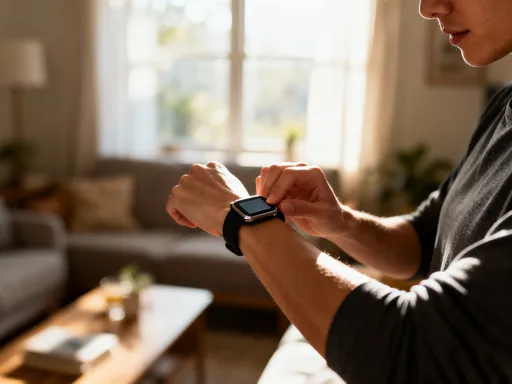
Another helpful tool was a wearable device that tracked sleep quality, heart rate, and activity levels. I didn’t obsess over the numbers, but I found it useful to see trends. For example, my resting heart rate dropped by five beats per minute within three weeks — a sign of improved cardiovascular health. My deep sleep percentage increased, and my nighttime awakenings decreased. These weren’t goals I set — they were natural outcomes of my choices.
Here’s what you might expect: In the first week, focus on managing withdrawal symptoms and staying hydrated. By one month, many people notice improved breathing, better sleep, and more stable moods. By three months, lung function continues to improve, mental clarity deepens, and energy levels rise significantly. These changes aren’t guaranteed for everyone, but they are common and supported by medical research.
It’s also important to know when to seek professional guidance. If you experience severe withdrawal symptoms, persistent insomnia, or significant mood changes, consult a healthcare provider. They can offer support, recommend safe strategies, and help rule out other underlying conditions. Quitting smoking and reducing alcohol are powerful steps, but they don’t have to be taken alone.
Progress isn’t linear. Some days will be easier than others. The key is consistency, not perfection. Celebrate small wins — a craving resisted, a night of deep sleep, a moment of clarity. These are the building blocks of lasting change.
Conclusion
Quitting smoking and cutting back on alcohol isn’t about perfection — it’s about listening. My body gave me signals all along; I just wasn’t paying attention. Once I changed those two habits, the improvements in energy, sleep, mood, and appearance weren’t just noticeable — they were motivating. These health indicators aren’t just numbers on a chart. They’re your body’s way of talking to you. The real win? Learning to hear it — and act.