What No One Tells You About Pregnancy Recovery—My Long-Term Journey
Pregnancy changes your body in ways no one fully prepares you for. I thought once the baby arrived, things would just “go back.” But months later, I was still struggling—weak core, low energy, emotional ups and downs. That’s when I started digging into long-term postpartum rehab. What I learned reshaped my recovery. This isn’t about quick fixes—it’s about real, lasting healing. Let me share what actually helped me feel like *me* again, step by slow step.
The Hidden Reality of Postpartum Recovery
For many women, the idea of postpartum recovery ends with the six-week checkup. A doctor’s nod and a clean bill of health often feel like a green light to resume normal life—exercise, housework, social events. But for countless mothers, that return is premature, even harmful. The truth is, the body undergoes profound changes during pregnancy and childbirth that cannot be undone in a matter of weeks. True recovery is not a sprint; it is a marathon that unfolds over months, even years. The misconception that women should “bounce back” quickly is not only unrealistic but can lead to long-term physical setbacks, including chronic pain, incontinence, and weakened core function.
My own journey began with that same assumption. At my six-week appointment, I was cleared for activity. Encouraged by well-meaning friends and social media images of moms back in workout gear, I jumped into light exercise within days. I started with walking, then gentle core work, convinced I was doing the right thing. But within weeks, I noticed worsening lower back pain, fatigue that lingered no matter how much I rested, and a persistent feeling of weakness in my abdomen. It wasn’t until I consulted a women’s health physical therapist that I understood: I had returned too soon, before my body had the strength or stability to handle even modest exertion. My connective tissues were still healing, my pelvic floor was under strain, and my core had not yet relearned how to function as a unit.
What I learned changed everything. The six-week mark is not a finish line—it’s often just the beginning of a much longer rehabilitation process. Hormonal shifts, particularly the lingering effects of relaxin, continue to affect joint stability and tissue elasticity for months. The linea alba—the connective tissue between the abdominal muscles—needs time to regain integrity, especially if diastasis recti is present. The pelvic floor, stretched and stressed during delivery, requires retraining, not just strengthening. And emotional recovery, often overlooked, is just as critical. Real healing demands patience, education, and a shift in mindset—from rushing back to honoring the body’s need for gradual restoration.
Understanding the Body’s Post-Pregnancy Needs
To heal effectively, it helps to understand what the body has been through. Pregnancy is not just about growing a baby; it is a full-system transformation. The uterus expands from the size of a pear to fill most of the abdominal cavity. Organs shift to make space. The spine adapts to a new center of gravity, often leading to increased curvature in the lower back. Hormones like relaxin and progesterone soften ligaments and joints to prepare for childbirth, but this increased flexibility can also lead to instability in the pelvis, hips, and spine. These changes are necessary and miraculous, but they leave lasting effects that must be addressed for full recovery.
One of the most common but under-discussed conditions is diastasis recti—the separation of the abdominal muscles along the linea alba. It affects up to two-thirds of pregnant women, particularly in the third trimester and postpartum period. While some separation is normal, excessive diastasis can impair core function, contribute to lower back pain, and affect posture. Many women are unaware they have it because it is not routinely screened for in standard postpartum care. I didn’t know I had a two-finger-width gap until months after delivery, when I finally sought specialized assessment. Without proper management, diastasis can persist for years, increasing the risk of hernias and chronic discomfort.
Equally important is pelvic floor dysfunction, which includes symptoms like urinary incontinence, pelvic organ prolapse, and pain during intercourse. These issues are not rare—they affect millions of women, yet they are often dismissed as “just part of having a baby.” The pelvic floor muscles support the bladder, uterus, and rectum. During childbirth, they endure significant stretching and trauma. Even cesarean deliveries do not eliminate the risk, as hormonal and postural changes during pregnancy still impact pelvic health. Recovery is not automatic. These muscles need to be retrained, just like any other muscle group, with attention to both strength and coordination.
Hormonal changes also play a crucial role in long-term recovery. While estrogen and progesterone levels drop sharply after delivery, the body’s chemistry remains in flux, especially for breastfeeding mothers. Prolactin, the hormone responsible for milk production, can suppress ovulation and delay the return of regular cycles, but it also affects mood, energy, and sleep. Thyroid function may be disrupted, contributing to fatigue and weight retention. Tissue remodeling—the process by which stretched skin, muscles, and connective tissues regain tone—takes time. Collagen production slows, and without proper support, the body may not fully recover its pre-pregnancy resilience. Understanding these biological realities helped me replace frustration with compassion for my body’s pace.
Rebuilding Core Strength the Right Way
When I first tried to regain core strength, I turned to exercises I had done before pregnancy—crunches, planks, and sit-ups. But instead of feeling stronger, I felt worse. My lower back ached, my abdomen bulged when I exerted pressure, and I felt no real improvement. It wasn’t until I learned about the deep core system—specifically the transverse abdominis, diaphragm, pelvic floor, and multifidus muscles—that I began to make progress. These muscles work together as a stabilizing unit, like an internal corset, providing support for the spine and pelvis. After pregnancy, this system is often out of sync, and traditional ab workouts can actually worsen dysfunction by increasing intra-abdominal pressure.
My rehabilitation started with breath. I learned diaphragmatic breathing, where I focused on expanding the ribcage laterally while keeping the abdominal wall relaxed on the inhale, then gently drawing the deep abdominals inward on the exhale. This simple practice helped me reconnect with muscles I hadn’t felt in months. From there, I progressed to gentle core activation exercises—such as pelvic tilts and dead bugs—performed with attention to alignment and breath coordination. The goal was not to fatigue the muscles but to retrain neuromuscular control. I worked with a physical therapist who used biofeedback to ensure I was engaging the right muscles without compensating with the hip flexors or chest.
Over time, I moved to functional movements—bridges, modified squats, and standing core challenges—that integrated core engagement into everyday motions. The progression was slow, but the results were real. I noticed better posture, reduced lower back pain, and increased stamina for carrying my baby and managing household tasks. Most importantly, I stopped feeling like my body was broken. I had learned that core strength is not about visible abs; it’s about stability, support, and the ability to move through life with confidence and ease.
Pelvic Floor Rehabilitation—More Than Just Kegels
Like many women, I initially thought pelvic floor recovery meant doing Kegels—tightening and releasing the muscles that control urination. I started doing them daily, believing I was doing the right thing. But after weeks of no improvement—and some new discomfort—I learned a crucial truth: Kegels are not a universal solution. For some women, especially those with an overactive or tight pelvic floor, Kegels can actually make things worse. Pelvic floor dysfunction is not always about weakness; it can also be about poor coordination, tension, or inability to relax. Without assessment, doing Kegels blindly can exacerbate pain, contribute to urinary urgency, or delay healing.
Seeing a pelvic floor physical therapist was a turning point. Through an internal assessment, the therapist identified that my pelvic floor was both weak in some areas and hypertonic—excessively tight—in others. I needed not just strengthening, but also relaxation and coordination training. My treatment included manual therapy to release tension, breathing exercises to promote muscle relaxation, and specific exercises to improve the timing of pelvic floor contraction and release. I learned how to coordinate the pelvic floor with the diaphragm and deep core, so that when I lifted my baby or stood up from a chair, all the systems worked together seamlessly.
Daily habits also played a role. I became more mindful of my posture—sitting with support, avoiding slouching, and using proper body mechanics when lifting. I adjusted my toileting habits, ensuring I was not straining or holding my breath, which can increase pressure on the pelvic floor. I paid attention to how I moved—rising from a squat with control, avoiding heavy lifting, and pacing myself throughout the day. These small changes, combined with targeted therapy, led to noticeable improvements: fewer leaks when I sneezed, less pelvic pressure, and greater comfort overall.
Movement That Supports Long-Term Healing
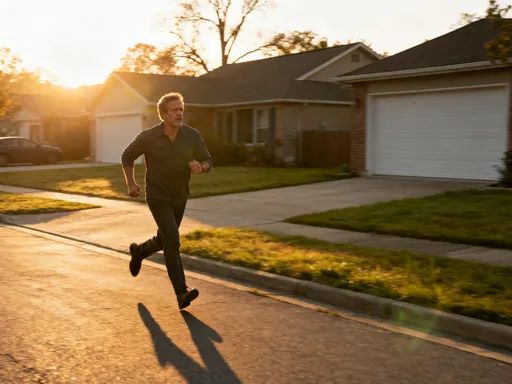
In the early months, my most reliable form of exercise was walking. It was low-impact, accessible, and something I could do with my baby in the stroller. At first, even a 10-minute walk left me winded. But I committed to consistency over intensity. I walked daily, gradually increasing duration and pace. Over time, my endurance improved, my circulation felt better, and my mood lifted. Walking became more than exercise—it was a form of self-care, a chance to get fresh air, clear my mind, and reconnect with my body in motion.
As my strength returned, I incorporated other low-impact activities. Prenatal yoga, adapted for postpartum recovery, helped me regain flexibility, balance, and body awareness. Gentle stretching eased muscle tension, while mindful movement encouraged breath and movement coordination. Swimming was another valuable tool. The buoyancy of water reduced stress on my joints while allowing me to build cardiovascular fitness and muscular endurance. These activities didn’t make me sweat like high-intensity workouts, but they supported healing in ways that intense exercise could not.
Learning to listen to my body was perhaps the most important lesson. I had to let go of the idea that more was better. Overexertion led to setbacks—increased fatigue, pelvic discomfort, and discouragement. Instead, I learned to recognize signs of strain: a deep ache in my pelvis, a feeling of heaviness, or prolonged soreness. When I noticed these signals, I scaled back. I gave myself permission to rest, to modify, to take things slowly. This approach wasn’t about limitation—it was about sustainability. By honoring my body’s limits, I built a foundation that could support more dynamic activity in time.
Emotional and Mental Recovery—An Overlooked Part of Rehab
Physical recovery is deeply intertwined with emotional well-being. There were days when I felt defeated—when progress felt invisible, when I compared myself to others, when I mourned the body I once had. I didn’t expect to feel “broken,” but that’s how it often felt. Simple tasks like carrying groceries or playing on the floor with my baby required effort that left me drained. I questioned my strength, my identity, my ability to care for my family. These feelings were not just physical fatigue; they were emotional responses to a body that was still healing.
My therapist helped me reframe my expectations. She reminded me that healing is not linear. There are good days and bad days. Progress is not always visible in the mirror—it’s in the ability to stand upright without pain, to laugh without leaking, to carry my child without strain. I began to celebrate small wins: sleeping through the night, walking up stairs without holding the railing, feeling a sense of connection to my body again. These moments, though quiet, were powerful. They rebuilt my confidence one step at a time.
I also found support in community—other mothers who shared similar struggles. We didn’t compare bodies or timelines. We shared tips, listened without judgment, and reminded each other that healing takes time. This sense of connection reduced isolation and normalized my experience. I learned that self-compassion is not indulgence; it is essential. Treating myself with kindness—allowing rest, acknowledging effort, releasing guilt—was as important as any exercise or therapy.
Sustainable Habits for Lifelong Wellness
What began as postpartum recovery evolved into a lifelong commitment to wellness. I no longer see exercise as a punishment or a means to look a certain way. Instead, I view movement as nourishment—a way to support my body, mind, and energy. I’ve built routines that fit real life: 10 minutes of core and pelvic floor exercises in the morning, daily walks, mindful stretching before bed. These practices are not perfect, but they are consistent. They don’t require a gym or special equipment—just intention and presence.
Professional guidance continues to play a role. I schedule regular check-ins with my physical therapist, especially after life changes like returning to work or introducing new activities. These visits provide reassurance, correction, and motivation. I’ve also learned to advocate for myself in healthcare settings, asking questions and seeking specialized care when needed. This journey has taught me that wellness is not a destination; it is an ongoing practice of listening, adapting, and caring for myself with intention.
Looking back, I realize that postpartum recovery was never just about returning to “normal.” It was about building something stronger—a body that is resilient, a mind that is patient, a spirit that is kind. The journey required effort, but it also brought gifts: deeper self-awareness, greater appreciation for my body’s strength, and a commitment to long-term health that will serve me for years to come. This is not a story of perfection. It is a story of patience, persistence, and the quiet power of healing, one day at a time.
Postpartum recovery isn’t a race—it’s a gradual, deeply personal process that extends far beyond the first few months. My experience taught me that true rehabilitation isn’t about looking a certain way, but about restoring function, strength, and confidence from the inside out. By focusing on long-term care, I didn’t just heal—I built a stronger foundation for life. This journey is worth the patience, the effort, and the self-compassion it takes.