How I Stay One Step Ahead of Illness—My Real Health Monitoring Journey
What if you could catch health issues before they become serious? I’ve learned that prevention isn’t luck—it’s daily awareness. By tracking small changes in my body and habits, I’ve gained control over my well-being like never before. This isn’t about fear; it’s about empowerment. In this guide, I’ll walk you through how simple, consistent health monitoring can protect your long-term wellness—no magic, just mindful choices backed by science. It’s not about obsessing over every number or symptom, but about building a deeper understanding of your body’s rhythms. Over time, that awareness becomes a quiet strength, helping you make smarter decisions before small concerns grow into bigger problems.
The Wake-Up Call: Why Prevention Matters More Than Cure
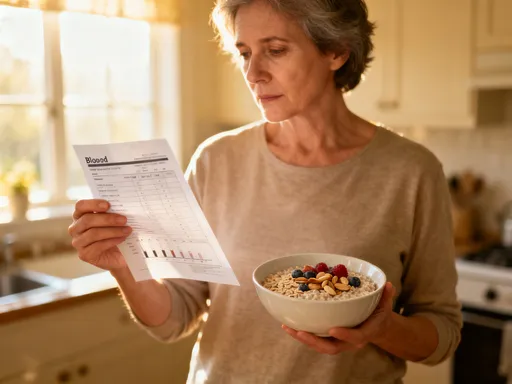
Several years ago, I had what felt like a routine physical exam—nothing out of the ordinary, or so I thought. But the blood work told a different story. My fasting glucose levels were elevated, placing me in the prediabetic range. I was shocked. I didn’t feel sick. I wasn’t experiencing any classic symptoms like excessive thirst or frequent urination. Yet, my body was already on a path toward a chronic condition that could lead to heart disease, nerve damage, and other complications if left unmanaged. That moment was my wake-up call: serious health issues often develop silently, without dramatic warnings.
Diseases like hypertension, high cholesterol, and type 2 diabetes are sometimes called "silent killers" because they can progress for years without noticeable symptoms. According to the Centers for Disease Control and Prevention (CDC), more than 88 million adults in the United States have prediabetes—and over 80% of them don’t know it. These conditions don’t announce themselves with pain or discomfort. Instead, they slowly damage blood vessels, organs, and metabolic systems. By the time symptoms appear, significant harm may already have occurred. Early detection, however, can change the trajectory. Studies show that identifying prediabetes and making lifestyle adjustments can reduce the risk of developing full-blown diabetes by up to 58% over three years.
Waiting for symptoms is a gamble many people unknowingly take. They assume that if they feel fine, they must be healthy. But the human body is remarkably resilient and adaptive. It compensates for imbalances until it can’t anymore. By then, treatment becomes more complex, and recovery takes longer. Prevention, on the other hand, shifts the focus from crisis management to long-term stability. It’s not about living in fear of illness, but about respecting your body enough to pay attention to its subtle signals. That shift—from reactive to proactive—can make all the difference in how you age, how you feel day to day, and how much control you truly have over your health.
What Health Monitoring Really Means (And Why It’s Not Just for the Sick)
When I first started thinking about health monitoring, I imagined complicated medical tests and frequent doctor visits. But I quickly realized that true monitoring begins at home, with everyday observations. Health monitoring is the ongoing practice of observing key aspects of your physical and mental state—such as energy levels, sleep quality, mood, digestion, and vital signs—over time. It’s not about diagnosing yourself, but about gathering information that helps you recognize patterns and detect changes early. Think of it as keeping a personal health journal that grows richer and more insightful with each passing week.
One important distinction is between clinical diagnosis and personal tracking. A doctor uses lab results, imaging, and physical exams to diagnose disease. Personal health monitoring, by contrast, is about building a baseline of what’s normal for you. For example, your resting heart rate might be 68 beats per minute on average. If it consistently rises to 78 without changes in activity or stress, that could signal an underlying issue worth exploring. Similarly, if you usually sleep soundly but suddenly start waking up multiple times a night, that shift may point to hormonal changes, stress, or dietary factors. These small deviations are easy to dismiss in the moment, but when tracked over time, they form a meaningful picture.
Self-awareness is the foundation of effective monitoring. Without knowing your normal, you can’t recognize when something is off. This is especially valuable for women over 40, whose bodies go through natural transitions like perimenopause and menopause. Symptoms such as fatigue, mood swings, and disrupted sleep are often attributed to aging or stress, but tracking them can reveal whether they’re part of a larger pattern. Monitoring isn’t about chasing perfection or eliminating all discomfort—it’s about understanding your body’s language. When you listen closely, it tells you what it needs, often long before a condition becomes serious.
The Tools I Use—Simple, Not Expensive
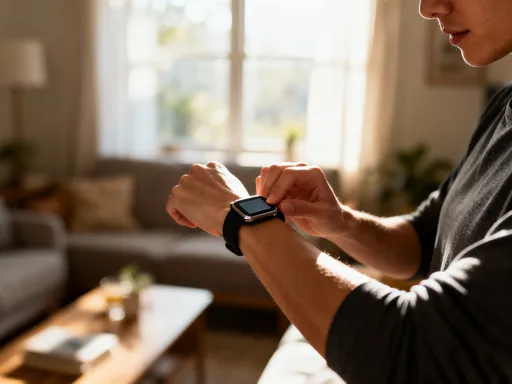
You don’t need a medical degree or a high-tech lab to monitor your health. The tools I use are accessible, affordable, and easy to integrate into daily life. My most helpful device is a basic fitness tracker. It records my steps, heart rate, sleep duration, and even estimates my breathing rate during rest. I don’t obsess over every data point, but I review weekly trends. For instance, if my average resting heart rate increases for three days in a row, I consider whether I’ve been under more stress, not sleeping well, or coming down with something. These insights help me adjust my routine before I feel unwell.
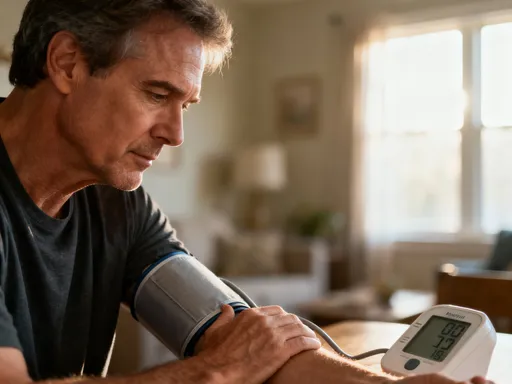
Another essential tool is a home blood pressure monitor. Hypertension affects nearly half of all adults in the U.S., yet many don’t know they have it. I check my blood pressure once a week, ideally at the same time of day and after sitting quietly for five minutes. This consistency ensures more reliable readings. I keep a simple log—either in a notebook or a mobile app—where I note the date, time, and numbers. Over time, I’ve noticed that my blood pressure tends to rise during particularly busy weeks, which reminds me to prioritize rest and relaxation.
Journaling apps have also become part of my routine. I use one to track meals, water intake, energy levels, and mood. Writing down what I eat helps me see connections—like how eating heavy meals late at night affects my sleep, or how skipping breakfast leads to afternoon fatigue. These aren’t strict food diaries meant for weight loss, but observational records that reveal how my choices impact how I feel. The key is consistency, not perfection. Even five minutes a day of logging can yield valuable insights.
When choosing tools, I focus on reliability and ease of use. I avoid devices with overly complex features or those that require constant charging. A simple, accurate blood pressure cuff is more useful than a flashy smartwatch that drains its battery in a day. I also read user reviews and look for devices cleared by regulatory agencies like the FDA. The goal isn’t to collect gadgets, but to gather meaningful data that supports better decision-making. Technology should serve your health, not complicate it.
My Daily Check-In Routine: Small Habits, Big Insights
Routine is my anchor. Every morning, before I check my phone or start my day, I take a few quiet moments to tune in. I ask myself three simple questions: How did I sleep? How is my energy level? And how am I feeling emotionally? I rate my sleep quality on a scale of 1 to 5, noting whether I woke up refreshed or groggy. I observe whether I feel alert or sluggish, and whether my mood is calm, anxious, or somewhere in between. These aren’t deep evaluations—just honest snapshots of my state.
In the evening, I do a second check-in. I review what I ate, how much water I drank, and whether I moved my body during the day. I also reflect on any physical sensations—like joint stiffness, headaches, or digestive discomfort. I don’t judge myself for eating dessert or missing a workout, but I note the patterns. For example, I’ve learned that when I drink less than six glasses of water, I’m more likely to get a tension headache by late afternoon. This kind of self-knowledge helps me make small adjustments that add up over time.
Diet and hydration tracking have been especially revealing. I used to think I drank enough water, but when I started logging it, I realized I was falling short most days. Since increasing my intake, I’ve noticed clearer skin, better digestion, and fewer energy crashes. Similarly, tracking meals helped me identify that dairy was contributing to bloating and fatigue. I didn’t eliminate it completely, but I now choose lower-lactose options and pay attention to portion sizes. These aren’t drastic changes, but they’ve made a noticeable difference in how I feel.
While daily tracking is valuable, I also rely on periodic clinical data. I schedule annual physicals and routine blood work, including cholesterol, blood sugar, and thyroid function tests. These serve as anchor points—objective benchmarks that confirm or challenge what I’m observing at home. If my home blood pressure readings are consistently high, I bring that data to my doctor. It allows for more informed conversations and faster follow-up if needed. Combining self-monitoring with professional care creates a powerful partnership in managing health.
When to Act—And When to Pause
One of the hardest lessons I’ve learned is knowing when to respond to a change and when to let it go. Not every off day means something is wrong. Life brings stress, travel, holidays, and busy seasons—times when sleep suffers, eating habits shift, and energy dips. A single bad night or a few days of fatigue aren’t necessarily red flags. The key is to look for persistent patterns. If I feel unusually tired for more than two weeks, despite adequate sleep and hydration, that’s a signal to investigate further. Short-term fluctuations are normal; long-term deviations warrant attention.
I’ve developed a simple rule: if a change lasts more than 10 to 14 days and isn’t explained by obvious life events, I consider making a lifestyle adjustment or consulting my doctor. For example, when I noticed my sleep quality declining over several weeks, I first looked at my habits. I reduced screen time before bed, established a consistent bedtime, and limited caffeine after noon. When those changes didn’t help, I discussed it with my healthcare provider, who suggested a sleep study. It turned out I had mild sleep apnea, which was easily managed with a lifestyle-focused treatment plan. Catching it early prevented more serious complications down the line.
On the other hand, I’ve also learned not to overreact. There was a time when I saw a slight increase in my blood pressure and immediately worried about heart disease. But after tracking it for a week, I realized it was elevated only during workdays and returned to normal on weekends. Stress was the likely culprit. Instead of rushing to medication, I focused on stress management—deep breathing, short walks, and better time management. Within a few weeks, my readings stabilized. Monitoring gave me the data to respond wisely, not fearfully.
It’s also important to remember that self-monitoring supports, but doesn’t replace, professional medical care. I don’t diagnose myself or change medications based on home readings. Instead, I use the data to have more meaningful conversations with my doctor. Sharing trends—like rising blood sugar or declining energy—helps them see the full picture. This collaborative approach leads to better outcomes and reduces the risk of both under-treatment and over-treatment.
The Mindset Shift: From Reactive to Proactive Health
Perhaps the most profound change has been in how I view my body. For years, I treated it as a machine that would eventually break down. I waited for problems to arise, then dealt with them as best I could. Monitoring has transformed that relationship. Now, I see my body as a partner—one that communicates through signals, rhythms, and responses. Instead of fear, I feel curiosity. When I notice a change, I don’t panic. I ask, "What is this trying to tell me?" That shift in mindset has reduced my anxiety and increased my sense of control.
Building confidence through data has been empowering. I no longer feel at the mercy of random health events. I know that small, consistent actions—like drinking more water, moving daily, or managing stress—add up over time. I’ve also become more patient. Health isn’t about quick fixes. It’s about sustainable habits that protect your well-being for decades. I’ve had weeks where my sleep was poor or my energy low, but because I track trends, I can see that overall, I’m moving in the right direction.
The emotional payoff has been significant. I feel calmer, more grounded, and more in tune with myself. I’m not chasing an idealized version of health, but nurturing the one I have. This journey hasn’t been about perfection—it’s been about presence. By paying attention, I’ve learned to respond to my body with kindness and respect. That emotional resilience is just as important as physical health, especially during life’s inevitable transitions.
Making It Stick: How to Build a Sustainable Monitoring Habit
Like many people, I almost gave up in the beginning. Tracking everything felt overwhelming. I missed days, forgot to log meals, and sometimes ignored my device. I thought I had failed. But I realized that consistency doesn’t mean perfection. It means showing up most of the time, even when it’s inconvenient. What helped me was pairing monitoring with existing habits. I check my fitness tracker while brushing my teeth. I log my water intake during morning coffee. These small anchors made the practice feel natural, not burdensome.
Reminders also helped. I set a daily alert on my phone for my evening check-in. If I missed it, I didn’t scold myself—I just tried again the next day. Forgiving slip-ups was crucial. Health monitoring is a long-term commitment, not a short-term challenge. It’s normal to have off weeks. What matters is returning to the practice without guilt. I also involved my family by sharing what I was learning—not to pressure them, but to lead by example. My daughter started drinking more water after seeing me track it. My husband began walking with me in the evenings. These small shifts created a supportive environment.
Looking back, I see that health monitoring is more than a set of tools or routines. It’s an act of self-respect. It says, "I matter enough to pay attention." For women in their 30s, 40s, 50s, and beyond, this kind of care is essential. Our bodies change, our responsibilities grow, and our health can’t be an afterthought. By building awareness now, we protect our future selves. We gain not just longer lives, but better ones—filled with energy, clarity, and peace of mind.
Preventing disease doesn’t require drastic changes—it starts with paying attention. My journey has taught me that the most powerful tool in health isn’t a pill or procedure, but awareness. By monitoring your body’s signals with kindness and consistency, you’re not chasing perfection—you’re building resilience. This is preventive care in its truest form: personal, practical, and profoundly empowering. Always remember: this guidance supports your health journey, but never replaces the advice of a qualified medical professional.