Lost in the Labyrinth: Guanajuato’s Secret Life After Dark
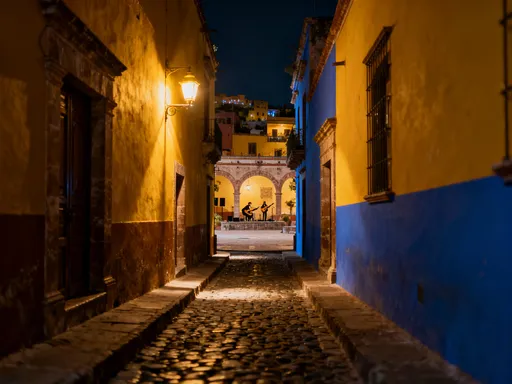
Ever stumbled into a place that feels like a dream you didn’t know you were having? That’s Guanajuato after sunset—narrow alleys glowing under golden streetlights, whispers of music floating down cobblestone paths, and hidden courtyards where locals laugh over wine. I wandered with no map and found magic in the unknown. This isn’t just a city; it’s a living maze of culture, color, and quiet wonders most tourists never see. Nestled in a mountain valley in central Mexico, Guanajuato pulses with a rhythm that only reveals itself when the sun dips below the hills and the crowds thin. To walk its alleys at night is to step into a story still being written—one of art, history, and human warmth that thrives in the shadows.
First Impressions: Stepping Into a City That Feels Like a Secret
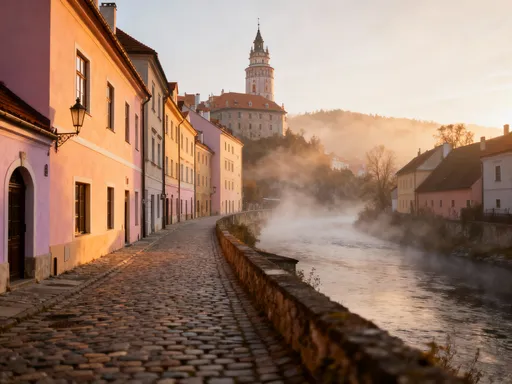
Guanajuato greets visitors like a well-kept secret whispered from one traveler to another. Perched on steep hillsides, the city unfolds in layers—pastel-colored colonial homes stacked like jewels, their facades glowing in the late afternoon light. Stone steps weave between buildings, leading to quiet overlooks where the only sound is the distant chime of church bells. Unlike more polished tourist destinations, Guanajuato retains a lived-in authenticity. There’s no need to perform for visitors; life here continues at its own gentle pace.
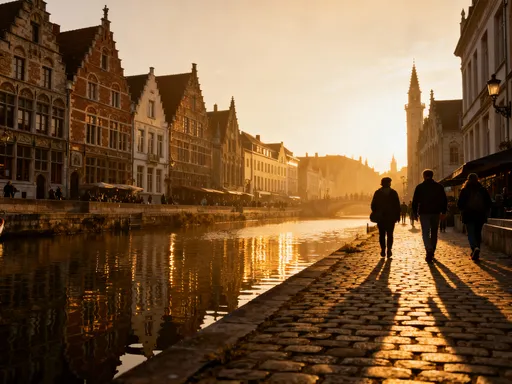
The moment you step into the historic center, the air shifts. The scent of roasted elote—corn roasted over open flames—drifts from street vendors tucked into corners. The murmur of conversation spills from open doorways, and the occasional burst of laughter echoes through narrow passageways known as callesjones. At dusk, golden streetlights flicker on, casting a warm glow on pink-hued churches like the Basílica de Nuestra Señora de Guanajuato, their stone facades softened by time and candlelight.
What strikes most is the absence of hurry. There are no throngs of tour groups rushing from monument to monument. Instead, you might see an elderly couple sharing a bench in Plaza de la Paz, or a local artist sketching the skyline from a shaded corner. The city invites you not to see, but to feel. It’s a place where architecture, history, and daily life blend seamlessly, creating a sense of intimacy that few destinations can match. This is not a city designed for quick snapshots—it rewards those who linger, who listen, who wander without urgency.
Beyond the Guidebooks: Why Guanajuato’s Real Magic Happens Off the Radar
Most guidebooks lead travelers to the same highlights: the Alhóndiga de Granaditas, a former grain warehouse turned revolutionary landmark; the romanticized Callejón del Beso, or “Alley of the Kiss,” where legend says a quick peck brings seven years of happiness; and the funicular ride up to El Pípila, offering panoramic views. While these sites hold historical value, they only scratch the surface of what Guanajuato truly offers.
The soul of the city lies beyond the postcard spots—in the quiet corners where daily life unfolds without performance. It’s in the way a baker arranges pan dulce in the early morning, or how a street musician tunes his guitar before playing a soft bolero near a fountain. These are the moments that define Guanajuato, not the curated experiences designed for tourists. The real magic happens when you let go of the itinerary and allow yourself to be guided by curiosity.
Slow travel is not just a suggestion here—it’s a necessity. Lingering in plazas, sipping atole from a clay cup, or chatting with a vendor about her family’s recipe for chile en nogada opens doors that no tour guide can unlock. Timing is equally important. Early mornings bring a hush over the city, broken only by the footsteps of delivery men and the clink of shop shutters opening. Late evenings, after the restaurants have dimmed their lights, reveal a different world—one of candlelit courtyards and soft guitar music drifting from open windows.
Even the street art, often overlooked, tells a deeper story. Murals tucked between buildings depict indigenous heritage, mining history, and cultural pride. They’re not commissioned for Instagram—they’re expressions of identity. To see them, you must look up, around, behind. That’s the essence of Guanajuato: the more you pay attention, the more the city reveals.
The Underground Labyrinth: Walking the Tunnels Beneath the City
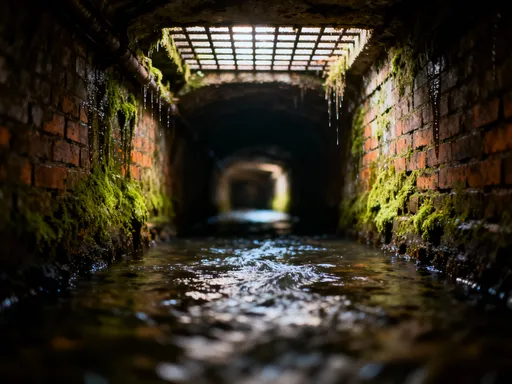
Beneath Guanajuato’s colorful streets lies a network of tunnels that once saved the city—and now sustain it. These passageways were originally silver mine shafts, carved deep into the mountain during the 16th and 17th centuries when Guanajuato was one of the richest mining towns in the Americas. When heavy rains caused devastating floods in the 1900s, engineers transformed the abandoned tunnels into a system of roads and drainage channels, rerouting traffic underground and protecting the city above.
Walking through these tunnels today is a surreal experience. The air is cool and still, a contrast to the warm mountain breeze above. Dim yellow lights line the walls, casting long shadows on the curved stone ceilings. The sound of footsteps echoes, mingling with the distant hum of cars passing through. It’s disorienting in the best way—like being inside the city’s hidden veins, where history and modern life converge.
Some tunnels are open to pedestrians, offering a unique way to navigate between neighborhoods. Others serve as one-way roads, allowing drivers to bypass the steep, winding streets above. The entire network spans over ten kilometers, forming a subterranean web that locals rely on daily. For visitors, walking even a short stretch provides a powerful reminder of Guanajuato’s layered past—built on wealth, shaped by disaster, and sustained by ingenuity.
If you choose to explore, wear comfortable shoes and bring a light jacket—the temperature drops significantly below ground. Early morning or late evening visits offer fewer crowds and a more atmospheric experience. While the tunnels are safe and well-maintained, it’s best to avoid peak traffic hours if walking. And though it’s tempting to rush through, take your time. Pause. Listen. Feel the weight of centuries in the stone around you. This is where Guanajuato’s resilience lives—not in monuments, but in the quiet strength of its foundations.
Rooftop Whispers: Finding Hidden Terraces With Golden Views
One of Guanajuato’s best-kept secrets is its collection of hidden rooftops—terrace after terrace offering uninterrupted views of red-tiled roofs, church spires, and the surrounding mountains. These spaces are rarely marked on maps or advertised online. Many are accessible only through small boutique hotels, family-run inns, or the kindness of a local who invites you upstairs for a view.
Imagine standing on a quiet rooftop at sunrise. The sky shifts from indigo to soft gold, painting the city in warm light. Church bells begin to ring, one by one, their echoes bouncing between hills. Below, a baker opens his shop, and the scent of fresh bread rises on the morning air. A cat stretches on a nearby balcony. There’s no rush, no announcement—just the city waking up in its own time.
Some of the most beautiful vantage points are found by asking. A café owner might gesture toward a staircase behind the counter: “Arriba, si quiere ver.” Upstairs, you find a small terrace with wooden chairs and a view that stretches for miles. Another time, a shopkeeper invited me into her home, leading me through a narrow hallway to a rooftop garden filled with geraniums and wind chimes. These moments aren’t transactions—they’re gestures of hospitality that reflect the heart of Mexican culture.
When seeking these spaces, always be respectful. Ask permission before entering private areas. Avoid loud voices or intrusive photography. Many rooftops are part of family homes, not public attractions. If staying at a hotel, inquire about rooftop access—some offer breakfast or evening drinks with a view. The goal isn’t to conquer every viewpoint, but to find one quiet moment of connection with the city’s skyline. In that stillness, Guanajuato reveals its poetry.
Midnight Melodies: The Underground Music Scene in Forgotten Plazas
By night, Guanajuato transforms into an open-air concert hall—though you won’t find a schedule or ticket booth. The city’s music scene thrives in spontaneity. In tucked-away plazas like Plaza del Baratillo or Jardín de la Unión, small groups gather to play jazz, folk, or traditional son mexicano. A trio with a double bass, guitar, and trumpet might set up near a fountain, drawing a small circle of listeners. Students from the Universidad de Guanajuato practice guitar on stone benches, their melodies drifting into the night.
One evening, I turned a corner into Plaza de la Paz and found a single violinist playing under a lamppost. No microphone, no audience—just the music, pure and unamplified. A few people stood at a distance, listening. A couple swayed gently, holding hands. No one spoke. The song ended, and there was a soft ripple of applause, like leaves brushing the ground. Then silence. Then another note.
These moments are not performances in the traditional sense. They’re offerings—small acts of beauty shared without expectation. Mariachi musicians sometimes appear late at night, serenading diners or surprising passersby with a lively “Cielito Lindo.” Unlike the staged shows in plazas during festivals, these nighttime gatherings feel more intimate, more real.
The city’s acoustics enhance the experience. The narrow alleys and stone buildings carry sound in unexpected ways, turning a single guitar into a chorus. Music doesn’t just fill the air—it becomes part of the architecture. For visitors, the lesson is simple: put the phone away. Sit on a bench. Close your eyes. Let the city sing to you. These unplanned encounters often become the most cherished memories—proof that the soul of a place isn’t in its monuments, but in its music.
Crafted in Silence: Meeting Artisans in Hidden Workshops
Woven into Guanajuato’s quiet streets are the workshops of artisans who keep traditional crafts alive. Far from the souvenir stalls near main plazas, these small studios hum with quiet dedication. In Calle de los Positos and surrounding lanes, potters shape clay on foot-powered wheels, paper artists cut intricate papel picado by hand, and metalworkers forge silver jewelry using techniques passed down for generations.
One morning, I followed the sound of tapping into a dimly lit studio where an elderly man shaped copper into a delicate lantern. His hands moved with precision, each hammer strike part of a rhythm perfected over decades. Shelves held finished pieces—candleholders, mirrors, wall art—all bearing the mark of human touch. There was no sign, no price list. He smiled when I entered, nodded, and continued working.
These artisans aren’t seeking fame. They work because they love their craft, because it’s part of who they are. Buying from them isn’t just shopping—it’s participating in a tradition. A hand-painted clay bowl, a folded paper banner for Day of the Dead, a silver pendant shaped like a local flower—each item carries a story, a connection to the hands that made it.
If you visit, go in the morning when workshops are open. Always ask before taking photos—many appreciate the interest but value respect more. Engage with curiosity, not transaction. A simple “¿Cómo aprendió este arte?” (“How did you learn this craft?”) can open a conversation that lasts an hour. These interactions enrich the journey, turning souvenirs into keepsakes with meaning. Supporting local artisans also helps preserve cultural heritage in a world increasingly dominated by mass production.
How to Wander Without Getting Lost—The Art of Mindful Exploration
In a city designed like a maze, getting lost is inevitable—and often the best thing that can happen. Guanajuato doesn’t reward rigid itineraries. Its treasures are not marked with signs or highlighted on apps. They reveal themselves to those who wander with intention, with openness, with a willingness to be surprised.
The art of mindful exploration begins with letting go. Put the map away—just for a while. Instead, use landmarks: a yellow church, a fountain with a bronze statue, a bakery with blue tiles. Turn left when you’re unsure. Follow the sound of music. Accept an invitation to a courtyard or rooftop. Say yes to the unexpected.
This doesn’t mean abandoning safety. Stick to well-lit areas, especially at night. Trust your instincts—if a path feels uncomfortable, turn back. Respect quiet residential zones and closed doors. But within those boundaries, allow yourself to drift. Let the city guide you.
Wandering is not just movement—it’s a mindset. It’s noticing the way light falls on a wall at 5 p.m. It’s pausing to watch a child feed pigeons in a plaza. It’s the quiet joy of finding a tiny bookstore tucked between two houses, its shelves filled with old novels in Spanish. These moments aren’t on any tour. They belong only to the curious, the patient, the present.
Why Getting Lost Might Be the Best Plan
Guanajuato teaches a quiet truth: sometimes, the best way to find yourself is to get lost. In a world obsessed with efficiency, with checking boxes and capturing moments for social media, this city offers a different path—one of slowness, of presence, of surrender.
Think of the tunnels beneath your feet, carved by miners centuries ago. Think of the music that rises in empty plazas at midnight. Think of the artisan shaping copper by hand, unaware of an audience. These are not attractions. They are expressions of a life lived deeply, authentically, without performance.
To visit Guanajuato is not to collect sights, but to collect feelings. The warmth of a shared smile. The hush of a hidden courtyard. The thrill of turning a corner and finding something no guidebook predicted. These are the moments that linger long after the trip ends.
So let the city surprise you. Let it lead you down alleys with no name. Let it whisper its secrets in music, in light, in silence. Pack your curiosity, leave room for wonder, and remember: the most beautiful destinations are not always on the map. They’re found one hidden step at a time.