You Won’t Believe What I Found in Prague’s Hidden Markets
Prague isn’t just castles and cobblestones—its real magic hides in unexpected shopping corners. I stumbled upon artisan stalls, vintage gems, and local makers far from tourist traps. This isn’t about souvenirs with fake Czech names—it’s authentic, quirky, and totally underrated. If you think shopping in Prague means overpriced trinkets, think again. Let me take you where the real locals buy, explore offbeat boutiques, and discover why this city’s retail soul is quietly brilliant.
Beyond the Old Town Square: Rethinking Prague’s Shopping Identity
For many travelers, Prague shopping begins and ends in the shadow of the Astronomical Clock. Rows of red-cheeked puppets, mass-produced garnet jewelry, and snow globes labeled “Bohemian Crystal” line the sidewalks, promising authenticity but often delivering little more than kitsch. While these items have their nostalgic charm, they represent only a fraction of what Prague’s shopping culture truly offers. Beneath the surface of tourist-flooded plazas lies a network of intimate markets, family-run studios, and design collectives that reflect the heartbeat of Czech craftsmanship and community life. These spaces are not staged for cameras; they are lived-in, functional, and deeply personal.
The true character of Prague’s retail scene emerges when you step away from the main thoroughfares and allow yourself to wander. In quiet courtyards tucked behind unmarked doors, weekend markets spring to life with the scent of beeswax candles and freshly milled flour from local mills. Here, you’ll find ceramicists displaying hand-thrown mugs glazed in earthy tones, or textile artists selling linen scarves dyed with foraged plants. These are not souvenirs designed to be tucked into suitcases and forgotten—they are objects made with intention, often passed down or gifted with meaning. The difference is tangible: one feels disposable, the other enduring.
What sets these experiences apart is their connection to place. A hand-painted plate from a small studio in Vinohrady carries the weight of generations of Czech ceramic tradition, while a wooden toy carved by a grandfather in the South Moravian region speaks to rural craftsmanship preserved over decades. Unlike the generic trinkets sold near Charles Bridge, these items are rooted in stories, materials, and techniques unique to the region. They invite curiosity, conversation, and connection. When you purchase from a local maker, you’re not just buying a product—you’re supporting a livelihood, preserving a craft, and taking home a piece of living culture.
To appreciate Prague’s deeper shopping identity, it helps to shift your mindset. Instead of viewing shopping as a transactional errand, consider it a form of cultural exploration. Each vendor has a story. Each object has a context. By asking simple questions—“Where did you learn this craft?” or “What inspires your designs?”—you open the door to genuine interaction. This is where the real magic happens: in the quiet exchange between traveler and maker, where mutual respect replaces commercial routine. And it’s in these moments that Prague reveals itself not just as a postcard-perfect city, but as a living, breathing community with pride in its heritage and innovation.
The Rise of Prague’s Design-Driven Markets
In recent years, Prague has seen a quiet revolution in its creative economy—one that’s redefining how both locals and visitors engage with handmade goods. At the forefront of this movement are design-driven markets that curate quality over quantity, prioritizing originality, sustainability, and ethical production. Spaces like Druhá Směna and Můj Nový Dům have become cultural hubs where young Czech designers showcase everything from minimalist glassware to upcycled fashion, all within thoughtfully organized environments that feel more like art exhibitions than typical flea markets.
These markets are not chaotic bazaars filled with random wares. Instead, they are carefully vetted, often requiring artisans to apply for vendor spots based on originality and craftsmanship. The result is a refined selection of goods that reflect contemporary Czech aesthetics—clean lines, natural materials, and subtle nods to folk traditions. You might find a jewelry maker using recycled silver to create delicate necklaces inspired by traditional Moravian embroidery patterns, or a textile artist printing organic cotton napkins with motifs drawn from vintage wallpaper archives. Every item tells a story, and many vendors include small cards explaining their process, materials, and inspiration.
What makes these markets particularly special is their emphasis on sustainability and transparency. Many designers use locally sourced materials, avoid synthetic dyes, and package their products in compostable or reusable containers. Some even offer repair services or recycling programs for old items, reinforcing a circular economy mindset that’s still emerging in mainstream retail. For environmentally conscious shoppers—especially women in the 30–55 age group who value durability and ethical consumption—this approach resonates deeply. It’s no longer enough for something to look beautiful; it must also align with personal values around responsibility and stewardship.
Practically speaking, visiting these markets requires a bit of planning. Druhá Směna, for example, operates on weekends in a repurposed industrial complex in Karlín, easily accessible by tram from the city center. Můj Nový Dům hosts seasonal events in various locations, often in historic buildings with courtyards that add to the charm. Entry is usually free or requires a small fee, which helps fund the organization and ensures a well-maintained environment. Most vendors accept card payments, though carrying some cash is advisable for smaller purchases. Given their popularity, arriving early on Sunday mornings ensures the best selection and a more relaxed browsing experience.
Vintage & Secondhand Gems: Where Locals Actually Shop
While designer markets cater to those seeking new creations, Prague’s secondhand scene reveals another layer of its shopping soul—one that’s practical, stylish, and refreshingly unpretentious. In neighborhoods like Žižkov, Vinohrady, and Holešovice, vintage shopping isn’t a trend; it’s a way of life. Residents frequent secondhand stores not for nostalgia or Instagram aesthetics, but because well-made clothing from past decades often outperforms today’s fast fashion in quality and comfort. Jackets with real wool lining, dresses with hand-finished hems, and sturdy leather shoes from defunct Czech factories are common finds, cherished for their durability and timeless appeal.
The atmosphere in these shops differs markedly from the curated minimalism of design markets. Here, you’ll encounter crowded racks, dim lighting, and the faint scent of cedar and old paper. But within this seemingly chaotic setting lies a treasure hunt of remarkable proportions. A 1970s silk blouse in perfect condition might cost less than €15, while a mid-century coat with intricate buttonwork could go for under €40. Prices remain low not because the items lack value, but because Czech consumers tend to be pragmatic—clothing is bought to be worn, not displayed. This functional attitude keeps inventory rotating and prices accessible, making thrifting in Prague one of the most rewarding experiences for budget-savvy travelers.
One of the joys of shopping secondhand in Prague is the lack of tourist pressure. Unlike cities where vintage stores cater primarily to visitors, these neighborhood boutiques serve local tastes. You won’t find racks of exaggerated 1980s shoulder pads or novelty items meant for costume parties. Instead, the selection leans toward classic silhouettes, neutral palettes, and high-quality fabrics—wardrobe staples that transcend fleeting trends. This authenticity extends to sizing, which tends to run smaller than Western European or American standards. A useful tip: don’t be discouraged if your usual size feels tight; ask if larger options are stored in the back, or explore the men’s section for oversized sweaters and tailored shirts that can be styled creatively.
Bargaining is generally not expected in established vintage shops, but it may be possible at weekend flea markets or open-air stalls. A polite inquiry such as “Is this the best price?” is usually well received, especially if you’re purchasing multiple items. More valuable than negotiation, however, is timing. Most stores restock on weekdays, so visiting on a Tuesday or Wednesday increases your chances of finding fresh arrivals. Saturdays tend to be busiest, both with locals and curious tourists, while Sundays often mean reduced hours or closures. For the most immersive experience, pair your visit with a stop at a nearby café serving homemade cakes or herbal teas—many vintage districts have excellent independent bakeries tucked into side streets.
Artisan Alleys: Glass, Pottery, and Handmade Crafts Off the Beaten Path
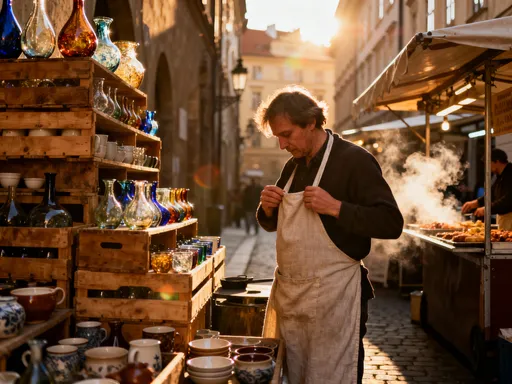
No discussion of Prague’s hidden shopping culture would be complete without acknowledging its deep-rooted traditions in glassmaking and ceramics. For centuries, the Czech lands have been renowned for their mastery of glass—particularly in techniques like hand-cut crystal, blown glass, and enameled decoration. While mass-produced versions flood tourist shops, the true artistry survives in small studios scattered across the city, often hidden in courtyards or above unassuming storefronts. These workshops offer a rare opportunity to see the craft in action, watch molten glass transformed into delicate vases, or purchase directly from the artist whose hands shaped each piece.
One of the most rewarding experiences is visiting a working glass studio where visitors are welcomed to observe the process. In districts like Smíchov or Libeň, independent glassblowers maintain furnaces that glow red-hot day and night, shaping vessels with centuries-old tools. Some offer short demonstrations or even hands-on workshops where guests can try their hand at creating simple glass beads or pendants under expert guidance. These interactions transform shopping from passive consumption into active participation, creating memories that last far longer than any purchased object. Even if you don’t take a class, watching the dance of flame, tongs, and molten material is mesmerizing—a reminder of human skill in an age of automation.
Equally compelling are Prague’s ceramic artists, many of whom work in small ateliers that double as retail spaces. Here, you’ll find hand-thrown bowls with organic glazes, mugs with thumb-impressed handles, and decorative tiles painted with botanical motifs. Unlike factory-made pottery, each piece bears the subtle imperfections of the human touch—slight asymmetry, variations in color, or unique crackle patterns—all of which add to their character. Buying directly from the potter allows you to learn about their firing techniques, clay sources, and design influences, deepening your appreciation for the work.
Finding these artisan spaces requires a bit of effort, but the rewards are worth it. Local walking tours focused on design and craftsmanship often include studio visits, providing access that might otherwise be difficult to locate. Alternatively, checking community bulletin boards at cultural centers or independent bookshops can reveal pop-up exhibitions and open studio events, especially during spring and autumn. When purchasing handmade goods, look for subtle markers of authenticity: a maker’s signature etched into the base, natural packaging materials, or a willingness from the artist to discuss their process. These details ensure you’re not just acquiring an object, but becoming part of a continuing tradition.
Neighborhood Spotlights: Shopping Like a Local in Lesser-Known Districts
To fully experience Prague’s diverse shopping landscape, it’s essential to venture beyond the historic core and explore its residential neighborhoods. Each district possesses a distinct personality, shaped by its history, architecture, and community life. Karlin, once an industrial zone, has evolved into a hub of adaptive reuse, where old factory buildings now house design studios, specialty coffee roasters, and concept stores selling curated homewares. On a Sunday morning, the air fills with the aroma of freshly baked rye bread from a micro-bakery, while nearby, a converted warehouse hosts a farmers’ market offering raw honey, cold-pressed apple juice, and handmade goat cheese from nearby farms.
Holešovice, located along the Vltava River, offers a blend of retro charm and contemporary creativity. The district is home to one of Prague’s largest antique markets, where vintage furniture, mid-century lighting fixtures, and retro kitchen appliances draw collectors and interior designers alike. Beyond the market, narrow streets reveal hidden courtyards filled with artist studios and small galleries. One might stumble upon a shop specializing in restored typewriters, another selling hand-bound journals made from recycled book covers. The pace here is slow, inviting exploration without pressure. Cafés with outdoor seating encourage lingering, making it easy to turn a shopping trip into a full-day outing.
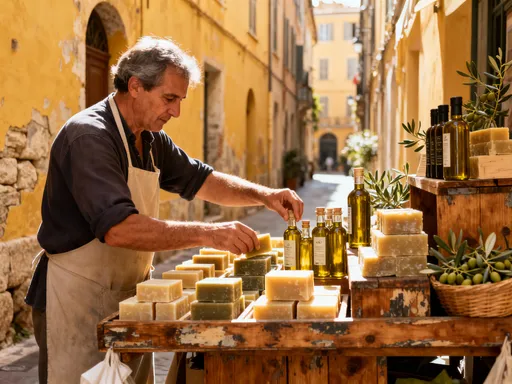
Vršovice, quieter and more residential, exudes a lived-in warmth that feels especially welcoming. Known for its Art Nouveau architecture and leafy avenues, the neighborhood supports a network of family-run shops—delicatessens with imported Italian olive oils, herbalists offering locally foraged teas, and boutiques featuring clothing from independent Czech designers. On weekends, small pop-up markets appear in schoolyards or church halls, offering handmade soaps, knitted baby clothes, and preserves made from garden-grown fruits. These hyper-local events provide a glimpse into everyday life, where neighbors greet each other by name and transactions are accompanied by friendly conversation.
Navigating these districts is simple thanks to Prague’s efficient public transportation system. Trams and metro lines connect all three areas to the city center, with journey times rarely exceeding 15 minutes. For a more immersive experience, consider renting a bicycle or joining a self-guided walking tour that links key shops, cafés, and green spaces. Many visitors find that combining shopping with light physical activity enhances their enjoyment—strolling through a park after browsing a market, or pausing for a cup of herbal tea after discovering a unique ceramic bowl. These rhythms mirror how locals live, emphasizing balance, mindfulness, and connection to place.
What to Buy (and What to Skip): A Real Talk Guide
With so many options, it’s natural to wonder what’s truly worth bringing home. The key lies in distinguishing between mass-produced souvenirs and meaningful keepsakes. Items like plastic “Bohemian” dreamcatchers, fake garnet necklaces sold near major landmarks, or poorly made wooden dolls with exaggerated features may seem tempting in the moment, but they rarely hold sentimental or practical value over time. Worse, purchasing them supports unsustainable supply chains and misrepresents Czech culture. Instead, focus on objects that reflect genuine craftsmanship, local resources, and everyday life.
Among the most rewarding purchases are edible and functional items that integrate into daily routines. Local honey, harvested from apiaries on the city’s outskirts, makes a delicious and healthy gift. Artisanal spirits like slivovitz or herbal bitters, often sold in beautifully designed bottles, offer a taste of Czech tradition. Linen kitchen towels embroidered with folk patterns, hand-thrown soap dishes, or woolen blankets from regional producers combine beauty with utility, enriching the home without clutter. Even small items under €20—such as a hand-poured beeswax candle or a set of linen napkins—can feel special when chosen with care.
To spot authenticity, pay attention to details. Genuine handmade goods often come with minimal but informative packaging—perhaps a stamped label with the maker’s name, a description in Czech and English, or a small note about materials. Don’t hesitate to ask questions: “Is this made locally?” or “Do you know the artist?” Vendors at legitimate markets are usually proud to share information. Avoid anything labeled “Czech Republic” but clearly made elsewhere, or items with inconsistent branding and blurry printing, which often indicate overseas manufacturing.
Another useful guideline is to consider longevity. Will this item still be useful or meaningful in five years? Does it reflect your personal taste, or are you buying it simply because it’s “different”? Choosing thoughtfully ensures that your souvenirs become part of your daily life rather than gathering dust on a shelf. When in doubt, opt for something simple, well-made, and rooted in place—a mug from a Prague potter, a scarf from a local weaver, a jar of honey from a regional farm. These are the purchases that continue to tell a story long after the trip ends.
Putting It All Together: Planning Your Own Niche Shopping Adventure
Exploring Prague’s hidden markets and local shopping scenes is not about checking off a list—it’s about embracing a slower, more intentional way of traveling. Success lies not in how much you buy, but in how deeply you engage with the places and people you encounter. Start by adjusting your expectations: leave room in your schedule for spontaneity, allow time to sit in a courtyard café after browsing a market, and be open to conversations with vendors who may offer insights no guidebook can provide. The best discoveries often happen off-script—around a corner you hadn’t planned to turn, or in a shop you entered simply because the display caught your eye.
A well-balanced day might begin in Karlín, with a visit to a weekend design market followed by coffee at a nearby roastery. From there, take tram 14 to Holešovice to explore the antique market and grab lunch at a family-run restaurant serving traditional Czech dishes with a modern twist. In the afternoon, walk through Stromovka Park toward Vršovice, stopping at a small bakery and a neighborhood boutique. End the day with tea at a quiet café, reviewing your finds and reflecting on the stories behind each purchase. This rhythm allows for both discovery and rest, mirroring the balanced lifestyle many women in their 30s to 50s aspire to maintain at home.
Practical considerations matter too. Wear comfortable shoes—Prague’s cobblestones are unforgiving. Bring a reusable tote bag for purchases, and keep a small notebook to record maker names or inspiration. While smartphones are useful, resist the urge to document every moment; sometimes, the most meaningful experiences are those fully lived, not photographed. And remember, shopping mindfully doesn’t require a large budget—some of the most cherished items cost little but carry great emotional weight.
In the end, what makes Prague’s hidden markets so unforgettable is not just what you find, but how you feel while searching. There’s a quiet joy in discovering a handmade object that resonates with your taste, in exchanging a smile with an artist who takes pride in their work, in realizing that travel can be both enriching and ethical. When done with curiosity and respect, shopping becomes more than consumption—it becomes connection. And in a world that often feels rushed and impersonal, that connection is perhaps the most valuable souvenir of all.