You Gotta See How Ghent’s Public Spaces Steal the Show
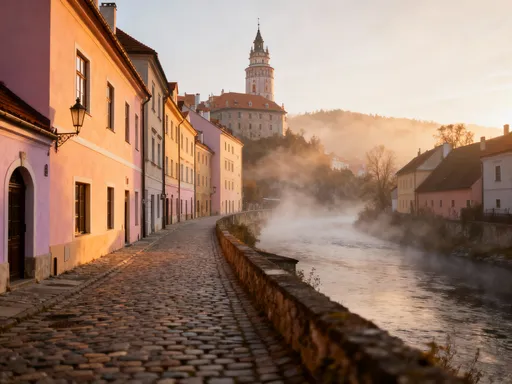
Ghent isn’t just a city—it’s a living room with canals, where every square feels like a gathering of old friends. I didn’t expect to fall for its public spaces so hard. From morning coffee in cobbled plazas to golden-hour strolls along tree-lined quays, the city thrives where people meet. These aren’t just open areas—they’re the heartbeat of daily life. Let me show you why Ghent’s shared spaces are nothing short of magic.
The Soul of the City: Why Public Spaces Define Ghent
Ghent’s charm lies not in towering landmarks or grand boulevards, but in the intimate rhythm of its public life. The city’s identity is deeply rooted in its open, accessible spaces—squares, quays, parks, and pedestrian lanes—where residents gather, linger, and connect. Unlike cities that center their pride on monumental architecture, Ghent builds its character around the everyday moments that unfold in shared environments. Here, community is not imagined—it is practiced, visible, and celebrated in the way people occupy the streets and squares.
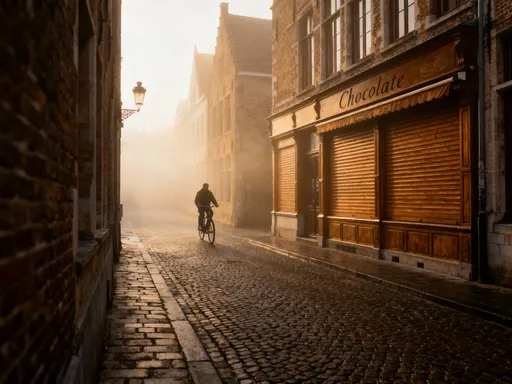
In Flanders, the tradition of communal living has long shaped urban culture. Town squares have historically served as the stage for markets, celebrations, and civic discourse. In Ghent, this legacy continues with renewed purpose. Over the past two decades, the city has made a deliberate shift from car-dependent planning to a pedestrian-first philosophy, especially within its historic core. Traffic restrictions, low-emission zones, and expanded walkways have transformed once congested streets into vibrant social corridors. This change wasn’t just about urban design—it was about reclaiming space for people.
The result is a city that feels both historic and refreshingly modern in its approach to livability. Public spaces in Ghent are not afterthoughts or decorative elements; they are essential infrastructure. They support physical well-being, social cohesion, and cultural expression. Whether it’s a morning jog along the Leie River or a family picnic in a leafy park, these spaces are designed to be used, not just admired. They reflect a deep understanding that a city’s success is measured not by its skyline, but by the quality of life it offers its residents.
Graslei & Korenlei: Where History Meets the Riverbank
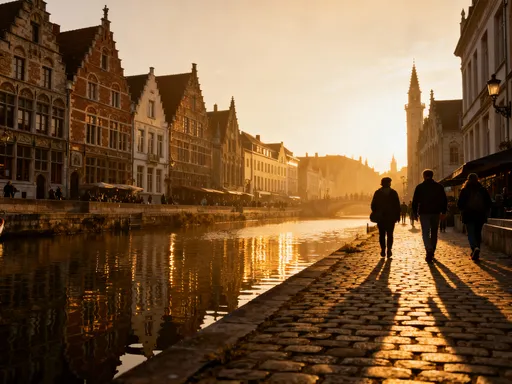
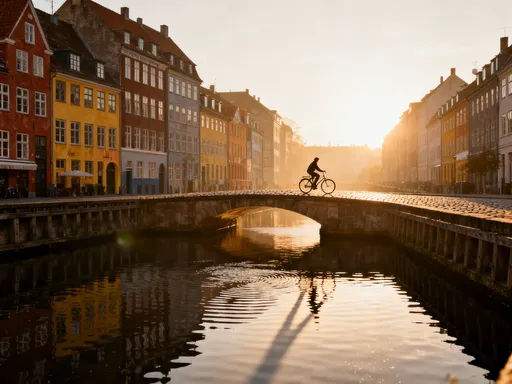
Stretching along the Leie River, the Graslei and Korenlei quays are among Ghent’s most iconic public spaces. Lined with beautifully preserved medieval guildhouses, their colorful facades rise like a storybook illustration from the 15th century. Yet, these are not frozen relics—they are dynamic, living parts of the city’s daily rhythm. By day, locals sip coffee at outdoor tables; by evening, the quays light up with candlelit dinners and soft music from riverside cafes. The atmosphere is timeless, yet unmistakably contemporary.
These waterfront promenades serve multiple roles: as tourist attractions, cultural stages, and neighborhood gathering spots. During festivals like the Gent Festival of Flanders, the quays become performance venues, hosting open-air concerts and boat parades. Yet even on ordinary days, they remain deeply integrated into local life. Fishermen still cast lines from the edges, children chase pigeons between the cobblestones, and couples share quiet moments on stone benches overlooking the water. The balance between tourism and authenticity is carefully maintained—crowds come and go, but the space never loses its soul.
One of the most enchanting aspects of Graslei and Korenlei is how naturally they invite exploration. A boat tour offers a unique perspective, gliding beneath arched bridges while guides recount centuries of trade, rebellion, and craftsmanship. But just as rewarding is a slow walk along the quay, pausing to admire architectural details—the carved stone lions, ornate gables, and weathered wooden shutters. These spaces remind us that history isn’t just preserved in museums; it lives in the streets, in the way people move through them, and in the stories passed down through generations.
Vrijdagmarkt: The Local Living Room
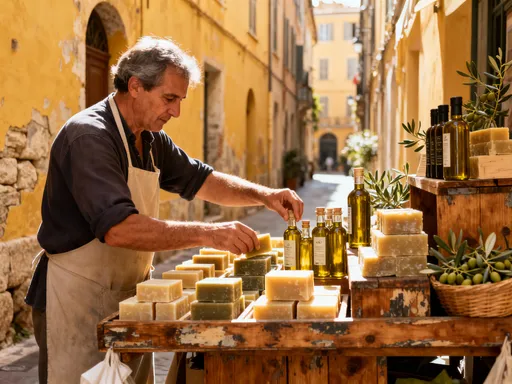
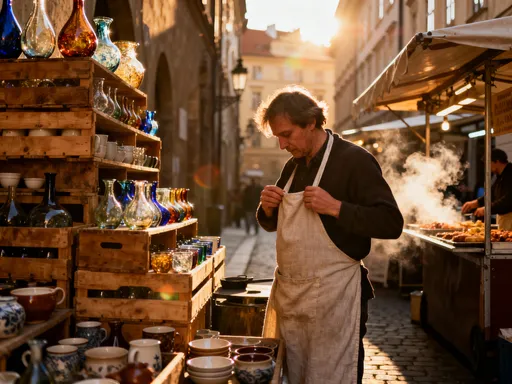
If Ghent has a neighborhood living room, it’s Vrijdagmarkt. This broad, sun-dappled square has been a marketplace since the Middle Ages, and today it retains that spirit of lively exchange. Every Friday and Saturday, farmers and artisans set up stalls selling fresh produce, handmade cheeses, local honey, and seasonal flowers. The air fills with the scent of warm bread and roasting coffee, drawing residents from surrounding streets to shop, chat, and savor the weekend rhythm.
But Vrijdagmarkt is more than a market—it’s a social hub. Cafés with wide terraces wrap around the square, their chairs often occupied by people reading, working on laptops, or enjoying long afternoon conversations. The 18th-century Guildhall stands proudly at one end, its baroque façade a quiet contrast to the modern life unfolding below. Families gather on the steps, students meet between classes, and tourists pause to take in the scene. There’s a comfortable, unpretentious energy here—a sense that everyone belongs.
What makes Vrijdagmarkt especially appealing is how seamlessly it blends into daily life. Just off the square, narrow lanes lead to neighborhood bakeries where sourdough loaves are pulled from wood-fired ovens, and small breweries serve locally crafted ales in cozy back rooms. These hidden gems enhance the area’s charm, offering deeper connections to the city’s culture. Unlike more tourist-heavy zones, Vrijdagmarkt feels authentic, rooted in routine rather than performance. It’s the kind of place where you might strike up a conversation with a stranger over a shared love of Belgian apples or the perfect croissant.
Citadelpark: Green Escape with a Purpose
Just a short walk from the city center, Citadelpark unfolds like a green embrace. Once a military fortress, this 28-hectare park was transformed in the late 19th century into a public recreational space, and today it serves as one of Ghent’s most beloved green lungs. Wide lawns, winding paths, and mature trees create a peaceful retreat where residents come to walk, play, reflect, and connect with nature. It’s a place of balance—designed for relaxation, yet full of quiet activity.
Families spread blankets for picnics, dog walkers follow well-marked trails, and joggers weave through shaded avenues. In spring, cherry blossoms bloom along the central pond; in autumn, fallen leaves crunch underfoot in a symphony of rust and gold. The park also hosts seasonal events, from outdoor yoga sessions to summer film screenings under the stars. A small playground, a botanical garden, and a historic castle-turned-cultural-center add layers of interest, making it a destination for all ages.
What sets Citadelpark apart is its multi-use design. Unlike parks that prioritize aesthetics over function, this space is built for engagement. Sports fields accommodate casual soccer matches and weekend tournaments. A dedicated skate park draws young riders, while quiet benches invite solitary reading or conversation. The park’s layout encourages exploration—paths branch and reconnect, inviting discovery without confusion. It’s a model of thoughtful urban green space, proving that nature and city life can coexist in harmony.
Even in winter, Citadelpark remains alive. Frost-covered trees glimmer in the morning light, and bundled-up visitors take brisk walks to stay warm. The city often installs temporary art installations or light displays, adding warmth to the colder months. This year-round usability reflects Ghent’s commitment to inclusive public space—designed not just for fair weather, but for all seasons of life.
Sint-Pietersplein: Student Energy and Shared Streets
Near the city’s main train station and the historic Saint Peter’s Church, Sint-Pietersplein pulses with youthful energy. As the heart of Ghent’s university district, this square is a crossroads of ideas, creativity, and casual encounters. Students from Ghent University and Arteveldehogeschool fill its cafés, bookshops, and outdoor seating areas, turning the space into a living classroom of conversation and collaboration.
The square’s design supports this vibrant atmosphere. Traffic-calmed zones and shared streets mean cars move slowly, if at all, allowing people to linger without fear of speeding vehicles. Wide sidewalks, bike racks, and accessible pathways make it easy to navigate on foot or by bicycle. This pedestrian-friendly layout encourages spontaneous interactions—friends wave across the square, study groups form at outdoor tables, and street musicians find attentive audiences near the church steps.
Sint-Pietersplein is also a hub for informal culture. Pop-up markets, art displays, and student performances often animate the space, especially in warmer months. Independent coffee shops serve fair-trade brews and vegan pastries, while long-standing bakeries offer traditional Belgian treats. Bookstores with secondhand finds and academic titles line the side streets, catering to the scholarly crowd. The mix of old and new—historic architecture and modern student life—creates a dynamic, ever-evolving atmosphere.
What makes this square special is its authenticity. It doesn’t cater to tourists; it serves the people who live, study, and work nearby. Yet visitors are welcome to observe, sit, and soak in the energy. There’s a democratic feel to the space—no one is excluded, no one is performing. It’s simply a place where life unfolds naturally, shaped by the rhythms of academic life and urban community.
Hidden Squares: Off-the-Beaten-Path Gems
Beyond the well-known plazas, Ghent hides quieter, lesser-visited squares that offer a different kind of magic. These hidden spaces—like Hof van Ryhove, Graaf Visartplein, or the small courtyard near Sint-Michielskerk—reveal the city’s more intimate side. Tucked between residential buildings or behind ancient walls, they are often discovered by accident, as wanderers stray from main routes and follow their curiosity.
Hof van Ryhove, for example, is a peaceful courtyard surrounded by restored 18th-century buildings. Once a noble estate, it now serves as a public meeting place and event space. On quiet afternoons, residents read on benches beneath plane trees, and children play in the open center. The absence of traffic and commercial activity creates a rare sense of calm, as if time has slowed. Graaf Visartplein, near the city walls, offers a similar retreat—its wide expanse used for neighborhood gatherings, outdoor chess, or simply sunbathing on warm days.
These hidden squares are not listed in every guidebook, and that’s part of their appeal. They aren’t designed for spectacle; they exist for use. Residents treat them as extensions of their homes—places to meet, relax, or escape the bustle. Finding one feels like a small reward for exploring without a map. The best way to discover them is to walk without a fixed destination, turning down narrow lanes, crossing quiet bridges, and following the sound of laughter or birdsong.
They also reflect Ghent’s commitment to distributed public space—beauty and function aren’t concentrated in a few central areas, but spread throughout the city. Every neighborhood has its own square, park, or green corner, ensuring that no resident is far from a place to gather or breathe. This accessibility strengthens community bonds and makes the city feel cohesive, not fragmented.
Design That Works: What Makes Ghent’s Public Spaces So Successful
The success of Ghent’s public spaces is no accident. It is the result of decades of thoughtful urban planning, community input, and a clear vision: to create a city that prioritizes people over vehicles. Key design principles guide this approach, starting with **walkability**. Wide sidewalks, intuitive signage, and traffic-calmed zones make it easy and safe to move on foot. The historic center is largely car-free, allowing pedestrians to explore without noise or danger.
**Green integration** is another hallmark. Parks, tree-lined avenues, and riverfront paths are not isolated features but interconnected elements of the urban fabric. Rain gardens, green roofs, and urban forests help manage stormwater and improve air quality, while also enhancing aesthetic and recreational value. The city’s green spaces are not afterthoughts—they are essential components of its environmental and social strategy.
**Human scale** defines the experience. Buildings are generally low-rise, streets are narrow, and facades are detailed and inviting. This creates a sense of intimacy and comfort, making even busy areas feel manageable. Benches, lighting, and public art are thoughtfully placed to encourage lingering and interaction. Unlike cities that prioritize efficiency over experience, Ghent designs for emotion, memory, and connection.
Policy decisions reinforce these design choices. Low-emission zones restrict polluting vehicles, while bike-sharing programs and extensive cycling lanes promote sustainable transport. Shared streets—where cars, cyclists, and pedestrians coexist with equal priority—foster mutual respect and slower, more mindful movement. These policies are not just about reducing congestion; they are about redefining what a city can be.
Other cities can learn from Ghent’s model. It proves that urban renewal doesn’t require demolition or grand gestures. Small changes—widening sidewalks, adding greenery, reducing traffic—can transform the feel of a place. More importantly, Ghent shows that public spaces thrive when they are designed for everyday use, not just for show. When people feel welcome, safe, and engaged, they take ownership of their environment, and the city becomes truly alive.
Conclusion
Ghent teaches us that great cities aren’t measured by size or skyline, but by how comfortably they hold their people. Its public spaces don’t just look good—they feel alive, inclusive, and deeply human. When you visit, don’t just see the sights. Sit in the squares. Walk the quays. Let the city welcome you like a local. Because in Ghent, the streets aren’t just pathways—they’re invitations. They invite conversation, connection, and quiet reflection. They invite you to slow down, to notice the details, to belong. In a world that often feels rushed and disconnected, Ghent offers a different rhythm—one shaped by community, care, and the simple joy of being together in shared space. That’s not just urban design. That’s magic.