You Won’t Believe What Happens When Arusha Comes Alive
I never expected a city at the foot of Mount Meru to explode with color, rhythm, and soul the way Arusha does during festival season. It’s not just about music or dance—it’s a full sensory awakening. The air hums with drumbeats, markets overflow with handmade crafts, and strangers become friends over shared plates of spiced street food. If you think Tanzania is only about safaris and summits, think again. Arusha’s festival culture is real, raw, and absolutely unforgettable.
The Heartbeat of Northern Tanzania
Arusha is often labeled a transit point—a necessary stop before the Serengeti’s golden plains or the snow-capped peak of Mount Kilimanjaro. But to see it only as a gateway is to miss the pulse of a city alive with history, diversity, and cultural vitality. Nestled between rolling hills and the towering silhouette of Mount Meru, Arusha is the unofficial cultural capital of northern Tanzania. Its streets carry the rhythms of multiple ethnic groups, including the Waarusha, who have long called this region home, and the Maasai, whose iconic presence adds depth and continuity to the city’s identity.
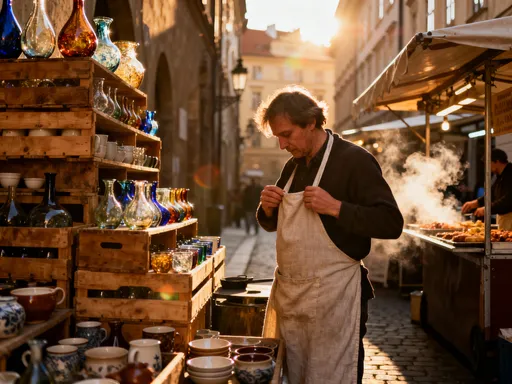
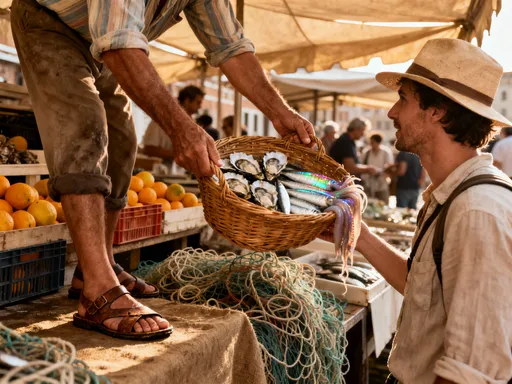
More than just a logistical hub, Arusha thrives as a meeting place where traditions converge. The city’s markets buzz with energy from dawn, where vendors in brightly patterned kanga cloths serve steaming cups of chai and piles of fresh mangoes. The scent of grilled meat mingles with the earthy aroma of wet soil after a morning shower. Here, language shifts fluidly between Swahili, English, and indigenous dialects, reflecting the layers of community that coexist in harmony. This cultural mosaic is not accidental—it is nurtured through shared spaces, communal celebrations, and a deep respect for ancestral ways.
Yet many travelers pass through Arusha without pausing long enough to feel its rhythm. They rush to board safari jeeps or catch early flights, unaware that just beyond the bus station or hotel lobbies lies a world of living tradition. The city does not perform for onlookers; it lives for itself. And when the festivals begin, that inner life spills into the streets, transforming sidewalks into dance floors and parks into open-air galleries. To understand Arusha is to recognize it not as a backdrop, but as a protagonist in Tanzania’s cultural narrative.
Festivals That Define a City
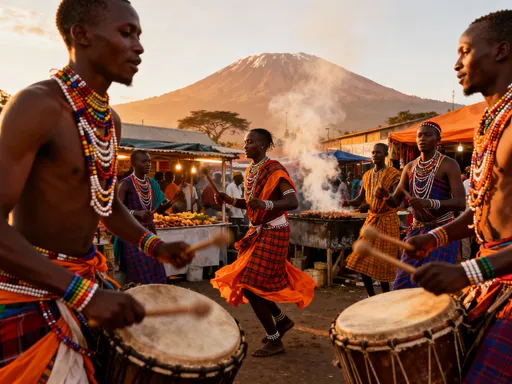
The soul of Arusha reveals itself most vividly during its annual festivals—events that are not imported for tourism but rooted in generations of expression and community pride. One of the most anticipated is the Cultural Festival at Arusha National Park, a vibrant gathering that brings together performers, artisans, and elders from across the region. Over several days, the park’s grassy clearings become stages for traditional dances, from the high leaps of Maasai warriors to the graceful, storytelling movements of Chaga women. Drums echo through the trees, and the air fills with song, laughter, and the clinking of beaded jewelry.
Equally compelling is the Serengeti Blues Festival, which, despite its name, finds a natural home in Arusha due to the city’s central role in regional travel and culture. This event blends global blues influences with East African rhythms, creating a sound that is both familiar and refreshingly original. Local bands share the stage with international artists, but the true magic happens in the audience—where grandmothers sway beside teenagers, and expatriates join locals in call-and-response choruses. Music becomes a bridge, not a spectacle, and the festival’s relaxed, inclusive atmosphere reflects Arusha’s spirit of openness.
Equally significant are community-led events like Maasai Heritage Days, which take place in neighborhoods on the city’s outskirts. These gatherings are not curated for tourists but emerge organically from the Maasai community’s desire to preserve and celebrate their way of life. Visitors who attend with respect are welcomed into circles where elders recount oral histories, children demonstrate traditional jumping dances, and women display intricate beadwork that tells stories of family, identity, and migration. Unlike staged performances, these moments unfold naturally, with no fixed schedule or script—authenticity is their foundation.
Each festival offers more than entertainment; it offers insight. The Cultural Festival showcases unity in diversity, the Serengeti Blues Festival illustrates cultural exchange, and Maasai Heritage Days emphasize resilience and continuity. Together, they form a mosaic of expression that defines what Arusha truly is: a city where culture is not preserved behind glass, but lived, shared, and renewed with every generation.
More Than Just Celebration: The Meaning Behind the Music
At first glance, Arusha’s festivals may appear as joyful spectacles—colorful costumes, energetic dances, and infectious rhythms. But beneath the surface lies a deeper purpose: these events are vital acts of cultural preservation. In a world where globalization threatens to erode local traditions, Arusha’s festivals serve as living classrooms, where language, history, and values are passed from elders to youth through sound, movement, and ritual.
Take the drumming, for instance. The patterns played during festival processions are not random; they carry meaning. Certain beats signal the start of a ceremony, others honor ancestors, and some communicate messages across distances. In the past, such rhythms were used to gather communities or warn of danger. Today, they continue to unite people, not through words, but through shared rhythm—a universal language that transcends age and background. Watching a group of young boys learn these patterns from an elder drummer is to witness knowledge being transferred in its most organic form.
Dance, too, is more than performance. Among the Maasai, the adumu, or jumping dance, is not merely a display of strength and agility; it marks rites of passage and community cohesion. The height of each jump reflects not just physical ability, but social status and readiness for responsibility. Similarly, Chaga women’s dances often mimic agricultural cycles—planting, harvesting, and rainmaking—connecting movement to the land and the seasons. These dances are not rehearsed for tourists; they are practiced and performed because they matter.
Music and song serve similar roles. In storytelling circles during festivals, elders recite genealogies, recount historical migrations, and share moral lessons through poetic verse. Young listeners sit cross-legged on the ground, absorbing narratives that shape their understanding of who they are and where they come from. Women’s choirs sing in rich harmonies during daytime rituals, their voices rising in praise, prayer, or celebration. These songs, often sung in native dialects, help keep endangered languages alive.
What makes these traditions resilient is their integration into daily life. They are not confined to special events but echo in homes, schools, and community centers year-round. Festivals simply amplify what is already present. When travelers recognize this depth—that every drumbeat, dance step, and lyric carries intention—they move from being observers to participants in something far greater than entertainment.
How to Experience It Like a Local
To truly connect with Arusha’s festival culture, one must step beyond the role of spectator and embrace the pace, practices, and values of the community. This begins with where you stay. Instead of international hotels on the city’s periphery, consider locally-run guesthouses in neighborhoods like Usafiri or Sakina. These accommodations are often family-owned, offering not just a room but a window into daily life. Hosts may invite you to share meals, explain local customs, or even recommend which festival events are most meaningful to attend.
Food is another gateway to connection. Skip the tourist-oriented restaurants and head to small street stalls where locals gather. Try mchemsho, a savory snack made from mashed plantains and spiced minced meat, wrapped in banana leaves and grilled over charcoal. Pair it with a cup of spiced chai from a roadside vendor, served in a small glass with a spoonful of condensed milk. Eating like a local isn’t just about taste—it’s about participation. Sitting on a low stool at a bustling stall, sharing space with workers on their lunch break, you become part of the city’s rhythm.
Getting around is equally important. While taxis are convenient, riding a dala-dala—a brightly painted minibus that serves as Arusha’s public transit—offers a more immersive experience. These minibuses follow informal routes, filling up quickly with commuters, schoolchildren, and vendors carrying baskets of produce. The ride may be bumpy and loud, but it’s real. You’ll hear conversations, music from a shared phone speaker, and the occasional announcement in Swahili. It’s in these moments that the city feels most alive.
When attending festivals, mindfulness is key. Always ask permission before taking photographs, especially during sacred or private rituals. A simple smile and the Swahili phrase “Nikibidi picha?” (May I take a photo?) go a long way. Learning a few basic greetings—such as “Habari yako?” (How are you?) and “Asante” (Thank you)—shows respect and opens doors to conversation. Most importantly, slow down. Don’t rush from one event to the next. Sit in the shade, watch the dancers, listen to the stories, and let the day unfold at its own pace. Arusha does not operate on a strict schedule; it moves to the rhythm of community, and those who adapt are rewarded with deeper connection.
Hidden Moments Between the Headliners
While the official festivals draw crowds and media attention, some of the most powerful experiences in Arusha happen in the quiet spaces between them. These are the unscripted, spontaneous expressions of culture that reveal the city’s true character. In Uhuru Park, for example, it’s not uncommon to stumble upon an impromptu dance circle—children and teenagers clapping and chanting as one among them takes the center, moving with a joy that needs no audience. There are no microphones, no stages, no tickets. Just pure, unfiltered celebration.
Near the city’s central clock tower, artisans sit on low stools, carving intricate patterns into ebony and olive wood. Some sell their work to tourists, but many are passing time, keeping skills alive that have been in their families for generations. Watching an elder guide a young apprentice’s hand as they shape a ceremonial spoon is to witness tradition being lived, not performed. These craftsmen don’t see themselves as entertainers; they are custodians of a legacy.
In the late afternoons, after school lets out, groups of children can be seen reenacting festival dances in empty lots or along quiet streets. They mimic the high jumps of Maasai warriors or the flowing arm movements of Chaga dancers, laughing when someone stumbles but quickly helping them up. These moments are not for show—they are how culture is internalized, how identity is formed. For a visitor lucky enough to witness them, they offer a rare glimpse into the organic transmission of heritage.
Even in the markets, magic hides in plain sight. A woman arranging baskets of dried herbs may begin a soft chant, a traditional song passed down from her grandmother. Two friends sharing a meal at a roadside table might break into harmonized verses, their voices blending effortlessly. These are not performances; they are expressions of belonging. They remind us that culture is not something you visit—it is something people live every day, in big ways and small.
Why This Matters Beyond Tourism
When travelers engage with Arusha’s festivals and daily life, they do more than collect memories—they contribute to something far greater. Unlike mass tourism, which often extracts value without giving back, mindful participation supports cultural preservation and strengthens local economies. Every purchase from a Maasai artisan, every meal at a family-run stall, every night spent in a community guesthouse puts money directly into the hands of those who need it most.
More importantly, respectful engagement helps sustain traditions that are at risk of fading. In an age where global media dominates and younger generations are drawn to urban lifestyles, festivals provide a crucial space for cultural pride and continuity. When elders see youth participating with enthusiasm, when artisans receive recognition for their craft, when musicians perform for attentive, appreciative audiences, the message is clear: these traditions matter.
Some cooperatives have begun using festival income to fund education and training programs. A portion of proceeds from beadwork sales, for instance, may go toward scholarships for girls in rural areas. Craft collectives use earnings to establish apprenticeship programs, ensuring that skills like wood carving and textile weaving are passed on. Music groups reinvest in community centers where children can learn traditional instruments. These ripple effects demonstrate that tourism, when done right, can be a force for empowerment, not exploitation.
The contrast with superficial tourism is stark. When visitors treat culture as a photo opportunity or a checkbox on an itinerary, they risk reducing living traditions to costumes and choreography. But when they come with curiosity, humility, and a willingness to listen, they become allies in preservation. They help ensure that Arusha’s festivals remain authentic, community-driven events—not performances staged for profit, but celebrations rooted in identity and purpose.
Leaving With More Than Memories
Travel has the power to transform, but not all transformations are equal. A safari offers awe at nature’s grandeur; a mountain climb delivers personal triumph. But experiencing Arusha’s festival culture offers something different—a shift in perspective. It teaches us that cities are not just places we pass through, but living, breathing entities with stories, struggles, and joys of their own. It reminds us that culture is not a museum exhibit, but a dynamic force that evolves with each generation.
Those who take the time to engage with Arusha on its own terms often leave with more than photographs or souvenirs. They carry a deeper understanding of what it means to belong, to preserve, to celebrate. They remember the warmth of a shared meal, the resonance of a drumbeat, the pride in a child’s eyes as they master a traditional dance. These moments linger, shaping how they see not just Tanzania, but the world.
So to future travelers, the invitation is clear: come to Arusha not just to see, but to connect. Come with open hands and an open heart. Learn a greeting, share a meal, sit quietly and listen. Let the city’s rhythm guide you. In doing so, you do more than witness a culture—you honor it. And in that honoring, you become part of a story much larger than yourself. Arusha does not need to be believed to be real. It simply asks to be seen, respected, and remembered as it truly is—a beating heart of northern Tanzania, alive with color, rhythm, and soul.