You Won’t Believe What I Ate in Vladivostok
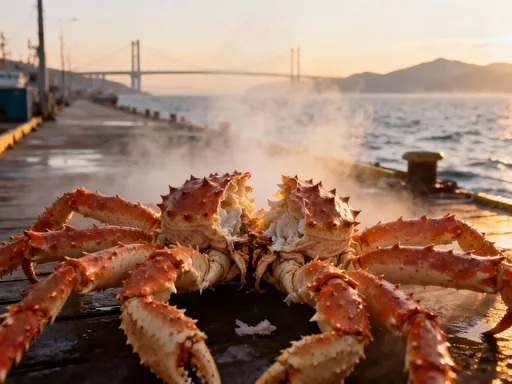
If you think Russian food is just borscht and pelmeni, Vladivostok will blow your mind. Nestled where the mountains meet the Pacific, this coastal gem serves up some of the freshest, wildest seafood you’ve never heard of. I went for the views but stayed for the food—think king crab so sweet it tastes like butter, and sea urchin straight from the shell. This is not your average dining scene. It’s a flavor adventure waiting to go viral.
Arrival in Vladivostok: First Impressions of a Coastal Frontier
Vladivostok greets visitors with a landscape that feels both rugged and poetic. Perched on a series of steep hills overlooking the Sea of Japan, the city unfolds like a maritime postcard—crisp salt air, rustling conifer forests, and the distant hum of cargo ships navigating narrow straits. Bridges arc gracefully over deep-blue waters, connecting islands and peninsulas, while fog often rolls in from the Pacific, cloaking the city in mystery. This is not Moscow or St. Petersburg; this is Russia’s Far Eastern frontier, a place shaped as much by its geography as by its cultural crossroads.
The city’s location—just 60 kilometers from the borders of China and North Korea—has long made it a strategic port and a melting pot of influences. Korean, Chinese, and indigenous Nivkh and Uilta flavors quietly weave through the local cuisine. Yet, the dominant force shaping Vladivostok’s food identity is the sea. The cold, nutrient-rich waters of the Sea of Japan and the Sea of Okhotsk feed an extraordinary marine ecosystem, providing an endless supply of seafood that forms the backbone of daily meals and festive feasts alike. Here, the ocean isn’t just a view—it’s the pantry.
Walking through the city, one quickly notices the maritime pulse in everyday life. Fishermen unload crates at dawn, markets buzz with activity by mid-morning, and the scent of grilled squid lingers in the evening breeze. Restaurants proudly display their daily catch in glass tanks, and locals speak of seafood with reverence. For the traveler, this isn’t just a destination; it’s an immersion into a way of life where food is deeply tied to place, season, and tradition.
Why Vladivostok’s Food Scene Is Going Viral
In recent years, travel has evolved from sightseeing to sensory storytelling, and food has become the centerpiece of many journeys. With platforms like Instagram and TikTok amplifying unique culinary experiences, cities with distinctive food cultures are gaining global attention. Vladivostok, once considered remote and overlooked, is now emerging as a quiet sensation in the world of food tourism. Its reputation is being built not on hype, but on authenticity—on dishes that are as raw and real as the landscape itself.
What sets Vladivostok apart is not just the freshness of its ingredients, but the boldness of its flavors. While much of Russia’s cuisine is hearty and warming, Vladivostok’s cooking reflects its coastal identity—lighter, brinier, and more adventurous. Diners might find themselves face-to-face with a live octopus or a sea cucumber still pulsing from the tank. These aren’t gimmicks; they’re everyday items in a region where people trust the ocean to provide.
Local eateries, often family-run and unassuming in appearance, have become destinations in their own right. Places near the central market or along the waterfront promenade serve dishes that locals swear by—steamed scallops with a squeeze of lemon, squid sashimi sliced paper-thin, or crab legs cracked open tableside. These spots may not have international branding, but they offer something more valuable: honesty on a plate. Travelers who share their meals online often do so with a mix of awe and disbelief, sparking curiosity far beyond the region.
The viral appeal lies in the contrast—between expectation and reality, between the familiar and the exotic. For many, Russian cuisine meant dumplings and sour rye soup. But in Vladivostok, the menu is rewritten by the tides. This isn’t fusion for trend’s sake; it’s food that has evolved naturally over generations, shaped by isolation, necessity, and an abundance of marine life. As global palates grow more adventurous, Vladivostok’s culinary voice is finally being heard.
The Star of the Table: King Crab and Beyond
If there is a crown jewel in Vladivostok’s seafood repertoire, it is the Far Eastern king crab. Towering over the plate with spindly legs as thick as wrists, this deep-sea giant is a sight to behold. Harvested from the icy waters of the Sea of Japan, these crabs are prized for their sweet, delicate meat that requires little more than a light steam or boil to shine. In Vladivostok, they are often served whole, still warm, with nothing more than a side of melted butter and a wedge of lemon.
The experience of eating king crab here is as much about ritual as it is about taste. Diners are handed heavy metal crackers and picks, encouraged to dig into the shells with their hands. There is something primal and satisfying about cracking open a leg, pulling out a long strand of snow-white meat, and tasting it fresh—no sauce, no distraction. The flavor is clean and subtly sweet, with a hint of the sea that lingers on the tongue. For many, it’s unlike any crab they’ve tasted before, lacking the fishiness sometimes found in warmer-water varieties.
But the king crab is more than a meal; it’s a symbol of the region’s abundance. Fishermen brave freezing temperatures and rough seas to harvest these creatures sustainably, following strict quotas to protect the population. In Vladivostok, there is a deep respect for the ocean’s limits, and diners are often reminded that this luxury is not infinite. Some restaurants even display photos of the fishing boats or share stories of the crews, adding a human dimension to the feast.
While king crab takes center stage, it is often accompanied by other local delicacies. A typical seafood platter might include langoustines, sea snails, and crab roe served in its membrane, bright orange and bursting with umami. Each bite tells a story of the cold northern waters, where slow-growing marine life develops richer flavors. For the adventurous eater, this is not just dinner—it’s a journey into the heart of the Pacific’s edible wilderness.
Hidden Gems: Off-the-Beaten-Path Seafood Stalls and Markets
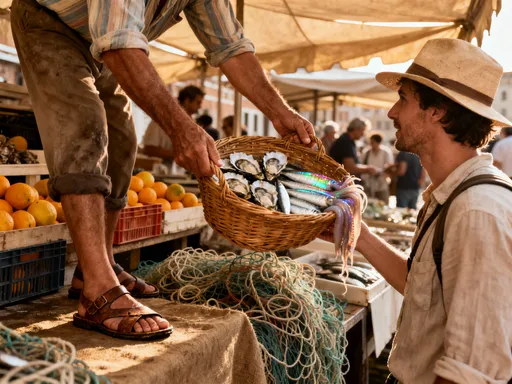
Beyond the polished restaurants, the true soul of Vladivostok’s food culture lives in its markets and street-side stalls. The Central Market, a bustling hub near the city center, is a sensory overload in the best possible way. Rows of vendors display tanks teeming with live sea creatures—octopuses that change color as they move, sea cucumbers that look like wrinkled logs, and scallops still nestled in their iridescent shells. The air is thick with the smell of salt, ice, and fresh fish, and the sound of hammers cracking shells echoes through the aisles.
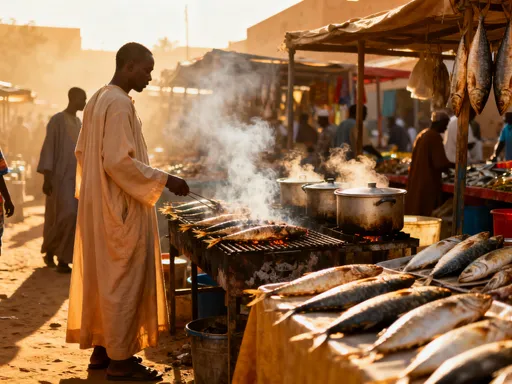
What makes these markets special is the immediacy. Shoppers can point to a live crab, a squid still wriggling, or a sea urchin with spines intact, and within minutes, it can be prepared on the spot. Some stalls have small grills or steaming pots right behind the counter, turning raw catch into hot food in under five minutes. It’s not fine dining—it’s food in its most honest form, served on paper plates with plastic forks.
These are places where locals come for their daily meals, not tourists seeking photo ops. Prices are modest, portions are generous, and the experience is unfiltered. A traveler willing to step off the beaten path might find themselves sharing a table with a fisherman on break, trading gestures and smiles over a plate of grilled mackerel. There’s no menu translation needed—just a pointing finger and a nod.
One of the most exciting aspects is the freedom to explore. Unlike curated tasting menus, these markets invite curiosity. A vendor might offer a sample of pickled herring, fermented squid, or even raw scallop on the half-shell. For the cautious eater, it can be intimidating, but for the open-minded, it’s a gateway to flavors rarely encountered elsewhere. These stalls don’t just sell food—they offer a connection to the sea, the season, and the people who depend on it.
Flavors of the North Pacific: Unique Ingredients You Can’t Find Elsewhere
Vladivostok’s cuisine is defined not only by what it includes, but by what it celebrates—ingredients that are rare or unknown in other parts of the world. Among the most prized is ikura, the glistening orange pearls of salmon roe. Here, it’s not a garnish but a centerpiece—served by the spoonful over warm rice, bursting with briny richness with every bite. The texture is both delicate and satisfying, a pop of ocean essence that lingers long after swallowing.
Equally unique is hoya, often called “sea pineapple” for its spiky exterior and sweet-tart flavor. While it may look intimidating—a soft, tubular creature clinging to rocks—it is a delicacy with a cult following in the Russian Far East. When sliced open, it releases a golden liquid that tastes like a blend of cucumber, oyster, and citrus. It’s often eaten raw, with a splash of soy sauce or vinegar, and is believed by locals to have energizing properties. Though not widely known outside the region, those who try it often describe it as unforgettable.
Kelp and other seaweeds also play a vital role in the local diet. Harvested from rocky shores, they are used in soups, salads, and as wraps for rice and fish. Rich in minerals and iodine, these sea vegetables are not only nutritious but deeply embedded in the culinary tradition. Dishes like kelp salad with sesame oil or kombu-infused broths are staples in home cooking, offering a taste of the coastline in every bite.
These ingredients may seem exotic to outsiders, but in Vladivostok, they are simply food—part of a diet shaped by what the sea provides. There is no pretense, no attempt to make them palatable to foreign tastes. They are served as they have always been: raw, pickled, steamed, or grilled, with minimal interference. For the traveler, tasting them is not just about flavor—it’s about understanding a culture that lives in harmony with its environment.
Dining with a View: Restaurants That Combine Scenery and Flavor
For those who want both beauty and taste, Vladivostok offers a selection of waterfront restaurants that deliver on both fronts. Perched along the shores of Golden Horn Bay, these establishments provide panoramic views of the city’s iconic bridges, the naval port, and the ever-changing Pacific horizon. As the sun sets behind the hills, the sky turns shades of rose and gold, reflecting off the water and casting a warm glow over outdoor terraces.
The atmosphere in these restaurants is relaxed yet refined. Wooden decks, nautical decor, and soft lighting create a space that feels both modern and rooted in maritime tradition. Many offer open kitchens where diners can watch chefs grill squid over charcoal or shuck oysters with practiced precision. The focus is on freshness, simplicity, and presentation—dishes are often served on slate or ceramic plates that enhance the natural colors of the seafood.
One of the most popular pairings is chilled vodka with a platter of raw oysters. The crisp, clean spirit cuts through the richness of the briny mollusks, creating a balance that locals cherish. Grilled squid, brushed with soy and garlic, is another favorite, its charred edges adding depth to the tender flesh. For dessert, some restaurants offer honey cake or berry compote, but many diners end their meal with nothing more than a cup of strong Russian tea, sipped slowly as they watch the lights of the city come alive.
These restaurants are not just places to eat—they are destinations in themselves. They attract couples, families, and solo travelers alike, all drawn by the promise of a meal that engages all the senses. Photographs taken from these terraces often go viral, not just for the food, but for the way the scene captures the essence of Vladivostok: a city where nature and culture converge, where every meal feels like a celebration of place.
How to Eat Like a Local: Practical Tips for Food-Loving Travelers
To truly experience Vladivostok’s food culture, timing and preparation matter. The best seafood is seasonal, with king crab typically at its peak from autumn through early spring. Summer brings an abundance of shellfish, while fall is prime time for salmon and roe. Travelers planning a visit should research local fishing calendars or consult with hotel staff to catch the freshest offerings.
Markets are most vibrant in the morning, when the day’s catch is first unloaded. Arriving early ensures not only better selection but also a more authentic experience, as vendors are still setting up and locals are doing their shopping. Cash is often preferred, especially at smaller stalls, so it’s wise to carry rubles in small denominations. While some vendors may accept cards, many operate on a cash-only basis, particularly in open-air markets.
When dining, a few etiquette tips can go a long way. Russians value politeness, so a simple “spasibo” (thank you) or “zdravstvuyte” (hello) can open doors. Tipping is appreciated but not always expected in casual settings, though in sit-down restaurants, leaving 5 to 10 percent is customary. It’s also common to share dishes family-style, so travelers should be prepared for communal eating, especially in seafood-focused spots.
Getting around is easier than many expect. The city’s compact center is walkable, but for those venturing to markets or coastal restaurants, public transportation is reliable. The famous Vladivostok cable car offers not only stunning views but also access to elevated dining areas with panoramic vistas. Local buses and taxis are readily available, and ride-hailing apps function well in the city. For the adventurous, renting a bicycle allows for a slower, more immersive exploration of the waterfront and side streets.
Most importantly, travelers should come with an open mind. Vladivostok’s food is not designed to please every palate—it’s meant to reflect the rawness and richness of its environment. Trying something unfamiliar, whether it’s sea urchin or fermented fish, is not just a culinary act but a gesture of respect toward the culture. With curiosity and respect, even the boldest bites can become cherished memories.
Vladivostok isn’t just Russia’s gateway to the Pacific—it’s a rising star in the world of experiential dining. From bustling markets to oceanfront tables, every meal tells a story of nature, culture, and bold flavor. This is more than eating; it’s exploration on a plate. As global palates grow bolder, Vladivostok’s culinary secrets are no longer hidden. They’re going viral—one unforgettable bite at a time.