You Won’t Believe What I Found Hiking Near Jeonju
I came to Jeonju for the hanok villages and bibimbap, but what actually blew me away was the untouched nature just beyond the city. Rolling hills, quiet forest trails, and riverside paths—I never expected such raw beauty here. If you're thinking Jeonju is just about culture and food, think again. I stumbled upon landscapes so peaceful, they felt like secrets. This isn’t your typical tourist trail, and that’s exactly why you need to see it.
Reimagining Jeonju: Beyond the Postcard
Jeonju is often celebrated as a cultural gem of South Korea, known worldwide for its well-preserved hanok village, where more than 800 traditional Korean houses stand in harmonious rows, their curved tiled roofs bowing gently beneath centuries-old trees. The city pulses with heritage—from the meticulous art of calligraphy to the rhythmic tapping of artisans crafting mother-of-pearl inlaid lacquerware. And of course, there’s the food: steaming bowls of bibimbap layered with seasonal vegetables, served in clay pots that keep the rice crisping at the edges. These experiences are rich, authentic, and deeply rooted in Korean tradition, drawing visitors from across the globe.
Yet, for all its cultural brilliance, Jeonju holds another identity—one that rarely makes it onto postcards or travel brochures. Beyond the cobblestone lanes of the hanok district lies a quieter, wilder side of the city, where paved paths give way to dirt trails and the hum of conversation fades into birdsong. It was on a quiet morning, after sampling one too many side dishes at a local market, that I decided to wander beyond the usual sights. A local shopkeeper, noticing my curiosity, pointed toward the hills and said simply, 'If you walk that way, the air changes.' That small suggestion sparked a journey I hadn’t planned—one that reshaped my entire understanding of what Jeonju could offer.
What I discovered was not just a change of scenery, but a transformation of pace. The shift from cultural immersion to natural solitude brought a kind of clarity that city exploration rarely provides. In those first quiet steps into the surrounding countryside, I felt a deep sense of release—like exhaling after holding my breath for too long. This dual character of Jeonju—its vibrant urban traditions and its serene natural periphery—creates a travel experience that is both enriching and restorative. For travelers, especially those seeking balance and meaningful connection, this hidden dimension is not just a bonus. It’s essential.
The Green Escape: Where Nature Meets Tradition
Situated in the heart of North Jeolla Province, Jeonju rests in a broad, fertile basin carved by the Seomjin River, a waterway that has nourished rice paddies and shaped agricultural life for generations. The city’s geography is a quiet advantage: while urban centers in Korea often sprawl into concrete horizons, Jeonju remains gently bordered by low mountain ranges, forested slopes, and open farmland. These natural boundaries aren’t just scenic—they’re accessible. Within minutes of leaving the downtown area, the city’s energy begins to soften, replaced by the whisper of wind through pine trees and the distant call of waterfowl.
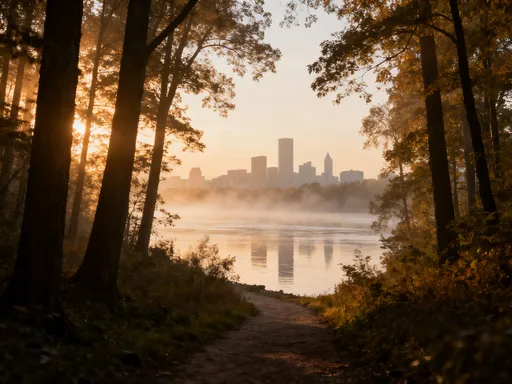
One of the most welcoming gateways to this green world is Deokjin Lake Park, a spacious urban oasis that serves as both a recreational hub and a transition zone between city and countryside. Early in the morning, the lake reflects the sky like polished glass, broken only by the slow glide of ducks or the occasional rowboat. Joggers move along paved paths, while families gather under willow trees for quiet picnics. But for those willing to look beyond the manicured lawns, the real adventure begins at the park’s northern edge, where a narrow trail winds upward into shaded woods.
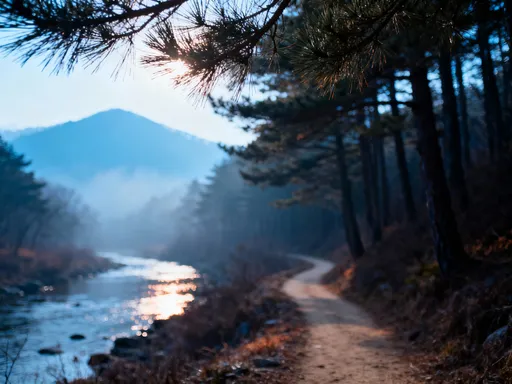
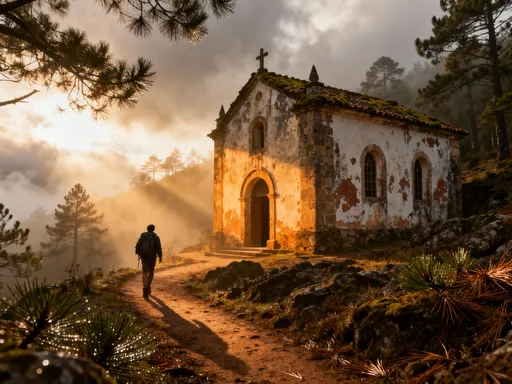
As I followed this path, the atmosphere shifted almost immediately. The air grew cooler, scented with damp earth and pine resin. Sunlight filtered through the canopy in soft beams, illuminating patches of moss and ferns along the trail. The sounds of traffic faded, replaced by the rustle of small animals in the underbrush and the steady chirping of cicadas. This was not a wilderness untouched by humans, but a landscape shaped by gentle coexistence—a place where nature is not preserved behind glass but lived alongside. The rhythm of rural life continues here: farmers tend their fields at dawn, children walk to school along country lanes, and elders pause on benches to watch the seasons turn. It’s a reminder that in Korea, nature is not always a distant national park. Sometimes, it’s just a short walk from the city center.
Hidden Trails Just Outside the City
For travelers seeking authentic outdoor experiences without the challenge of remote expeditions, Jeonju offers several accessible hiking routes that balance ease with beauty. One of the most rewarding paths begins near the northern outskirts of Deokjin Lake and leads into the gentle slopes of what locals refer to as the Seungjol area—a cluster of low, forested hills that rise just beyond the urban edge. This trail, well-marked but rarely crowded, stretches approximately 4.5 kilometers round trip and takes about two hours at a relaxed pace. The terrain is mostly even, with packed dirt and stone steps in steeper sections, making it suitable for hikers of all ages and fitness levels.
The trail winds through mixed woodland dominated by Korean red pine and deciduous oaks, their branches forming a living arch overhead. In spring, the path is lined with wild azaleas and mountain peonies; in autumn, the hills blaze with crimson and gold. Halfway along, a small clearing opens to a view of the Seomjin River winding through the valley below, its surface shimmering under the sun. This is the kind of vista that invites stillness—a moment to sit on a weathered bench, sip water, and simply breathe. There are no entrance fees, no ticket booths, just the quiet courtesy of shared space.
Another peaceful option is the riverside walk along the southern bank of the Seomjin, accessible via Goguryeo-ro, a main road that transitions quickly into a quiet country lane. This flat, paved path runs for nearly six kilometers and is ideal for morning strolls, evening walks, or cycling. It passes through rice fields, small orchards, and occasional patches of reed-lined wetlands where kingfishers dart and herons stand sentinel. The path connects several small villages, where traditional farmhouses with tiled roofs sit behind wooden fences. Unlike the curated perfection of the hanok village, these homes reflect everyday rural life—clothes drying in the breeze, roosters crowing at dawn, and the scent of woodsmoke in the air.
For those with more time, a longer loop trail connects these two routes, forming a figure-eight that covers about 11 kilometers. This extended hike offers the best of both worlds: forested elevation and riverside serenity. Regardless of the path chosen, preparation is simple but important. Hikers should wear sturdy walking shoes, carry water and a light snack, and dress in layers, as temperatures can shift quickly in the shade. Sunscreen and a hat are recommended in summer, while a light rain jacket is useful in spring and fall. Trail maps are available for free at the Jeonju Tourist Information Center, and public buses run regularly from the city center to trailheads.
Why These Landscapes Matter
In Korean culture, the relationship between people and nature is not merely aesthetic—it is philosophical and deeply ingrained. The concept of *sanlim* (산림), meaning 'mountain and forest,' represents more than geography; it embodies a way of life that values balance, reflection, and renewal. For centuries, Koreans have turned to the mountains for healing, meditation, and escape from daily pressures. This tradition continues today, supported by government initiatives that maintain public trails, promote forest therapy, and protect green spaces near urban centers. Jeonju, with its proximity to both farmland and forest, exemplifies this harmony.
The city’s agricultural heritage is inseparable from its natural surroundings. The same soil that grows bibimbap’s fresh vegetables—spinach, bean sprouts, zucchini, and radish—feeds the region’s identity. Local markets overflow with seasonal produce, much of it harvested within a few kilometers of the city. Even the architecture of the hanok houses reflects this connection: their placement considers sun and wind patterns, their courtyards open to the sky, and their materials—wood, stone, and clay—are drawn from the earth. To walk through Jeonju’s countryside is to witness the living roots of its culture, not as a museum display but as an ongoing practice.
Modern research supports what tradition has long understood: time in nature improves mental and physical well-being. Studies conducted by South Korea’s Forest Service have shown that spending time in forested areas can reduce cortisol levels, lower blood pressure, and improve mood. In Jeonju, the air quality along rural trails is consistently better than in the city center, with lower levels of particulate matter and higher oxygen content. For travelers who have spent days navigating crowded markets and historic sites, these quiet hikes offer a form of reset—a chance to decompress, refocus, and return to their journey with renewed energy. This is not just tourism; it’s restoration.
How to Plan Your Own Nature Discovery
Planning a nature-focused visit to Jeonju is both simple and rewarding. The easiest starting point is the Jeonju Hanok Village, from which multiple transportation options lead to nearby trails. Public buses, including routes 101 and 102, run frequently to Deokjin Lake Park and surrounding areas, with stops within a ten-minute walk of trail entrances. For greater flexibility, renting a bicycle is an excellent choice. Several shops near the hanok village offer comfortable, well-maintained bikes for hourly or daily rental, and dedicated bike lanes make travel safe and scenic.
The ideal time to begin a hike is early morning, between 7:00 and 9:00 a.m., when temperatures are cooler and the light is soft. This is also when wildlife is most active and the trails are least crowded. Late afternoon, from 4:00 to 6:00 p.m., offers golden-hour views and a peaceful end to the day. Avoid midday in summer, when the sun can be intense, especially on open stretches of the riverside path.
Packing for the hike doesn’t require special gear. A reusable water bottle, a small backpack with trail snacks like dried fruit or rice cakes, and a hat are sufficient for most visitors. Comfortable walking shoes with good grip are essential, especially on forest trails where roots and stones can make footing uneven. Dressing in layers allows for adjustment as temperatures change. A light windbreaker or rain jacket is advisable, as sudden showers are common in spring and fall. Sunscreen and insect repellent are recommended during warmer months.
Travelers can obtain detailed maps and trail information at the Jeonju Tourist Information Center, located near the main entrance to the hanok village. Staff are friendly and helpful, and brochures are available in English and other languages. Many of the trails are free to access, and there are public restrooms and drinking fountains at major trailheads. For those who prefer guided experiences, local eco-tourism groups occasionally offer nature walks that include cultural commentary and botanical insights. These small-group tours provide deeper context without sacrificing the sense of solitude that makes the experience so valuable.
Encounters Along the Way
One of the quiet joys of hiking near Jeonju is the subtle presence of local life. Unlike remote wilderness areas, these trails are woven into the fabric of everyday existence. As I walked along the riverside path one morning, I passed a group of older men practicing tai chi on a grassy bank, their movements slow and deliberate, synchronized with the flow of the water. They smiled as I passed, offering a quiet nod—a small gesture that felt deeply respectful.
Further along, I paused to watch a farmer working in a rice paddy, his boots caked with mud as he adjusted the flow of water through a network of small channels. He looked up, wiped his brow, and greeted me with a simple 'Good morning.' We didn’t speak the same language, but the exchange felt meaningful. These moments aren’t staged for tourists; they’re real, unscripted glimpses into rural Korean life. Children on bicycles wave as they pedal past, dogs bark from farmyards, and occasionally, an elderly woman tending a vegetable garden will offer a friendly wave from her gate.
These interactions don’t require conversation to be significant. They add texture to the journey, reminding visitors that they are not just observers but temporary participants in a living landscape. There’s a quiet dignity in these exchanges—a mutual recognition of shared space and shared respect. For many travelers, especially those from fast-paced urban environments, these small human connections can be as restorative as the natural scenery itself. They ground the experience, making it feel personal and authentic.
Bringing It All Together: A Fuller Picture of Jeonju
To truly know Jeonju is to embrace both its celebrated heritage and its quiet natural beauty. The hanok village and the bibimbap are not the whole story—they are chapters in a larger narrative that includes flowing rivers, forested hills, and the daily rhythm of rural life. When travelers take the time to explore beyond the city’s iconic landmarks, they gain a more complete and meaningful understanding of this special place. The landscape shapes the culture: the freshness of the food, the simplicity of the architecture, the calm demeanor of the people—all are influenced by the surrounding environment.
A balanced itinerary—one that includes both cultural sites and nature walks—offers a richer, more sustainable travel experience. Just as a meal is more satisfying when it includes both flavor and nourishment, a journey is more fulfilling when it engages both the mind and the senses. Walking through the hills after a morning in the hanok village allows reflection. It creates space to absorb what you’ve seen and to carry it forward with greater appreciation.
As you plan your visit, consider leaving room for the unexpected. Step off the main path. Follow a trail that curves into the trees. Let the rhythm of nature set the pace. And when you return to the city, you may find that the calm you discovered in the forest stays with you—like a quiet echo, reminding you of what travel can truly be. Explore mindfully. Leave no trace. And let Jeonju reveal itself, not just in its famous dishes and historic homes, but in the whisper of the wind through the pines and the stillness of the morning lake.