You’ve Never Seen Nice Like This — Hidden Gems & Local Treasures Off the Tourist Trail
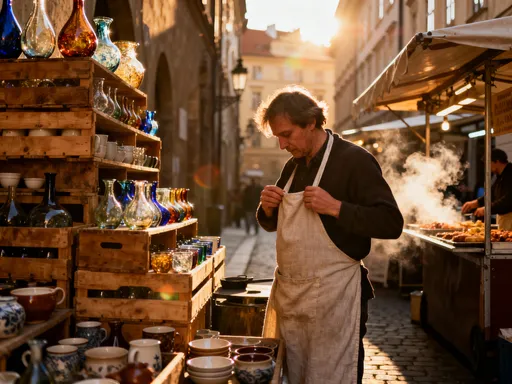
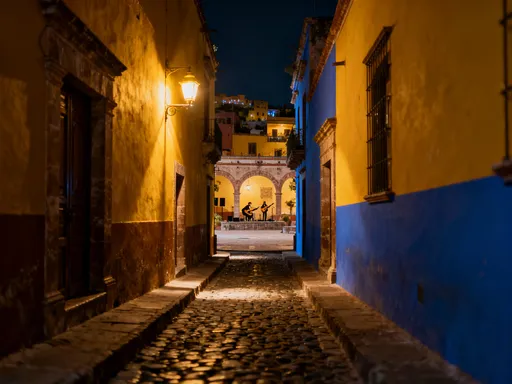
When you think of Nice, France, the Promenade des Anglais and crowded markets might come to mind. But beyond the postcard sights lies a quieter, more authentic side. I wandered into hidden alleys, stumbled upon family-run shops, and discovered specialty products you won’t find online. This is Nice through local eyes — raw, real, and rich with flavor. If you're chasing something deeper than souvenirs, keep reading. There’s a version of the French Riviera that doesn’t show up in brochures or Instagram feeds, one where daily life unfolds in sun-dappled courtyards, where shopkeepers greet neighbors by name, and where tradition isn’t performed for tourists — it’s lived. This journey invites you to step beyond the surface and experience Nice not as a destination, but as a culture in motion.
Rethinking Nice: Beyond the Postcard Perfection
Nice is often framed as a jewel of the Côte d’Azur — a place of glittering sea views, designer boutiques, and sunbathers stretched along pebbled beaches. While these elements are real, they represent only one layer of the city’s identity. The truth is, the soul of Nice doesn’t reside in its most photographed corners but in the rhythm of everyday life that continues just out of frame. When travelers limit themselves to the well-trodden paths, they miss the heartbeat of the city: the early morning deliveries to corner grocers, the laughter spilling from neighborhood cafés, the scent of rosemary carried on the breeze from a grandmother’s window box.
Exploring beyond the tourist facade isn’t just rewarding — it’s transformative. It shifts the focus from passive observation to active connection. Instead of viewing Nice as a backdrop for vacation photos, you begin to see it as a living, breathing community with deep-rooted customs and quiet pride in local craftsmanship. This kind of travel asks for curiosity and respect, but it gives back in the form of genuine moments — a shared smile with a baker, a recommendation from a bookseller, the discovery of a centuries-old recipe still made by hand.
One of the most meaningful ways to engage with this deeper layer of Nice is through its regional specialties. These are not mass-produced trinkets but items shaped by the land, climate, and generations of knowledge. Whether it’s olive oil pressed from local groves, herbs gathered from the hillsides, or ceramics molded in small studios, these products carry the essence of Provence. Seeking them out isn’t just about collecting souvenirs; it’s about participating in a tradition of care, quality, and sustainability that defines the region’s way of life.
And while the central districts like Vieux Nice and the Promenade remain essential stops, they tell only part of the story. By venturing into residential neighborhoods where tourism plays a minor role, visitors gain access to a different pace and perspective. Here, streets are quieter, shop signs are handwritten, and time moves with the rhythm of daily rituals rather than tourist schedules. This isn’t an invitation to intrude, but to observe with humility and appreciate the authenticity that thrives when the spotlight isn’t shining.
The Allure of Specialty Products in Southern France
In southern France, the concept of a specialty product goes far beyond mere labeling. It is rooted in the idea of terroir — the unique combination of soil, climate, and tradition that gives food, drink, and craft their distinctive character. A jar of lavender honey from the Alpes-Maritimes isn’t just sweet; it captures the scent of highland meadows after rain. A bar of olive oil soap isn’t merely functional; it reflects centuries of Mediterranean wellness practices. These items are not made for export or mass appeal — they are born of necessity, refined by time, and cherished for their connection to place.
What sets true specialty goods apart is their scale and intention. They are often produced in small batches by artisans who have inherited skills from their parents or mentors. There’s no factory line, no corporate branding — just hands shaping, tasting, adjusting. In Nice and its surrounding towns, this craftsmanship manifests in many forms: hand-poured candles scented with local mimosa, herbal infusions blended according to family recipes, and tapenades made from olives harvested within kilometers of the market stall.
These products also serve as cultural ambassadors. Each one tells a story — of resilience during hard winters, of seasonal celebrations, of meals shared around long tables. The lemon, for instance, is more than a fruit in this region; it’s a symbol of Menton’s identity, celebrated annually in a festival that draws locals and visitors alike. Lemons grown here are prized for their sweetness and thin skin, and they appear in everything from preserves to liqueurs. To bring home a jar of preserved lemons from a market vendor isn’t just to acquire a condiment — it’s to carry a piece of that heritage.
Moreover, choosing specialty items supports a more sustainable model of tourism. When travelers buy directly from producers or independent shops, they contribute to the local economy in a way that benefits families and small businesses rather than international chains. This kind of consumption helps preserve traditional practices that might otherwise fade under the pressure of globalization. It also reduces the environmental footprint associated with imported goods and excessive packaging. In a world increasingly dominated by uniformity, these authentic products stand as quiet acts of resistance — reminders that quality, care, and uniqueness still matter.
Hidden Neighborhoods Where Locals Live and Shop
While tourists flock to the winding streets of Vieux Nice or the waterfront esplanade, there are other parts of the city that reveal a more grounded reality. Neighborhoods like Le Ray, Liberation, and certain corners of Cimiez offer a glimpse into how Nice’s residents live when no one is watching. These areas are not devoid of charm — quite the opposite — but their beauty is understated, woven into the fabric of daily life rather than staged for visitors. Here, you’ll find laundry hanging between buildings, children playing in shaded squares, and elders sipping coffee at corner tables, all moving to a pace that feels both relaxed and purposeful.
Le Ray, located just north of the city center, is a residential district where modern life coexists with Provençal traditions. Its streets are lined with small shops that have served the same families for decades — a boulangerie where the same recipe has been used since the 1960s, a fromagerie where the cheesemonger knows which goat cheese pairs best with local white wine. There’s no souvenir keychain in sight, but you might find a hand-labeled jar of ratatouille sauce or a bundle of dried thyme tied with twine. These are the kinds of places where commerce feels personal, where transactions come with conversation.
Liberation, named after the post-war era, carries a similar spirit. It’s a neighborhood shaped by community, where the Marché de la Liberation draws locals every morning. Unlike the bustling Cours Saleya, this market operates at a gentler tempo. Vendors don’t shout to attract attention; instead, they exchange pleasantries with regulars and offer samples with a smile. The produce is just as fresh — plump figs, ruby-red tomatoes, fragrant basil — but there’s a sense that this market exists first for the people who live here, not for those passing through.
Cimiez, perched on a hill overlooking the city, offers another dimension. Known for its Roman ruins and monastery gardens, it also has quiet residential pockets where narrow lanes lead to hidden courtyards and family-run ateliers. Some artisans here work in ceramics, shaping bowls and plates with motifs inspired by the Mediterranean. Others specialize in natural perfumery, drawing on knowledge passed down through generations. Because these workshops are not on main tourist routes, they remain accessible primarily to those who seek them out with intention.
Exploring these neighborhoods requires a mindset of respect. These are not open-air museums but living communities. The goal isn’t to photograph doorways or peek into private courtyards, but to wander with awareness and appreciation. A simple “bonjour” when entering a shop, a willingness to pay full price for goods, and a patient attitude when language barriers arise — these small gestures go a long way in building goodwill. When done thoughtfully, this kind of exploration enriches both visitor and host, creating moments of quiet connection that linger long after the trip ends.
Finding Authentic Artisans: From Perfume to Preserved Lemons
The artisanal traditions of Nice and its surrounding region are deeply interwoven with the natural environment. One of the most renowned is perfume-making, centered in the nearby town of Grasse, often called the perfume capital of the world. While Grasse itself attracts visitors, many smaller workshops in and around Nice continue the practice on a modest scale. These are not commercial factories but intimate studios where fragrances are blended by hand, using flowers grown in local fields. Visitors may have the opportunity to observe a demonstration — watching petals being sorted, oils extracted, and scents layered — gaining insight into a craft that balances science and artistry.
Another enduring specialty is citrus cultivation, particularly in Menton, a coastal town just a short train ride from Nice. Known as the “Lemon Capital,” Menton has cultivated lemons for over a century, developing varieties prized for their aromatic zest and low acidity. Local producers use these lemons in a range of products: marmalades, liqueurs, candied peels, and even savory condiments like preserved lemons. These items are often sold at markets or small specialty shops, where vendors take pride in explaining their process and heritage.
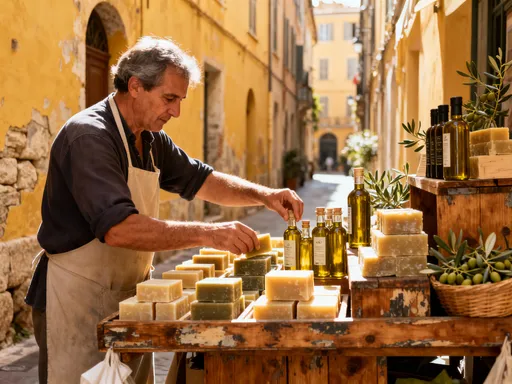
In Nice itself, artisans continue to produce goods that reflect Provençal life. One such example is the tradition of olive oil-based soap, a craft with roots stretching back to the 16th century. Unlike commercial soaps filled with synthetic ingredients, these are made with cold-pressed olive oil, natural fragrances, and minimal processing. Some workshops allow visitors to watch the pouring and cutting process, offering a tactile understanding of how something so simple can be made with such care. These soaps are not only biodegradable and gentle on the skin but also represent a commitment to sustainable living.
Equally compelling are the food artisans who transform local ingredients into pantry staples. A small producer might spend days slow-cooking tomatoes and herbs to create a rich coulis, or ferment olives using a brine recipe handed down through generations. These items are often sold at neighborhood markets, where buyers can ask questions, taste samples, and learn about the origin of what they’re purchasing. This direct connection between maker and consumer is rare in modern retail but remains alive in places like Nice, where food is still seen as an expression of culture and care.
For travelers, engaging with these artisans doesn’t require elaborate tours or reservations. Simply visiting a market on a weekday morning, asking questions with genuine interest, or attending a seasonal festival can open doors to meaningful interactions. The key is to approach these encounters not as transactions, but as exchanges — a chance to listen, learn, and carry home not just a product, but a story.
Markets That Tourists Overlook — But Locals Love
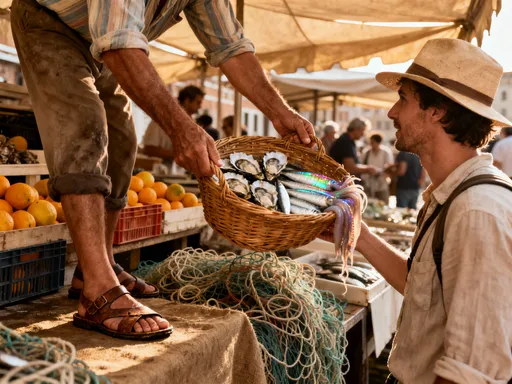
The Cours Saleya market in the heart of Vieux Nice is undeniably beautiful — a riot of color, scent, and sound where flowers spill from stalls and olives glisten in the sun. Yet its popularity means it often feels more like a performance than a marketplace. For a more authentic experience, locals turn to quieter alternatives that serve their daily needs. The Marché de la Liberation is one such place, operating every morning in the neighborhood of the same name. Here, the focus is on fresh, seasonal produce: plump peaches from the Var, artichokes from nearby farms, and herbs bundled with string. The atmosphere is calm, the lines short, and the vendors more likely to offer a sample than a sales pitch.
Another under-the-radar option is the Marché du Pin, located near the Parc du Pin. Smaller and more seasonal, it attracts a loyal following of residents who value its emphasis on organic and locally sourced goods. You’ll find honey harvested from rooftop hives, handmade pasta dusted with semolina, and small-batch jams made from wild berries. Because it’s less known to tourists, prices remain fair, and interactions feel more natural. Shoppers don’t rush; they linger, chat, and make deliberate choices based on quality rather than novelty.
These markets also offer sensory experiences that stay with you long after you’ve left. The smell of thyme and rosemary drying in the sun, the cool weight of a fresh goat cheese wrapped in paper, the sight of sun-kissed tomatoes still warm from the vine — these details create a vivid impression of Provençal life. They remind visitors that food here is not just fuel, but a celebration of the seasons, the land, and the people who tend it.
Shopping at these local markets also has a positive impact beyond personal enjoyment. Every purchase supports small-scale farmers, artisans, and family-run businesses, helping to sustain a way of life that might otherwise be overshadowed by large distributors. It reduces reliance on imported goods and encourages seasonal eating, which is better for both health and the environment. In a region increasingly affected by overtourism, choosing to shop where locals do is a small but powerful act of responsible travel.
For those planning to visit, timing matters. Early mornings, between 8 and 10 a.m., are ideal — produce is freshest, crowds are lightest, and vendors are most open to conversation. Bringing a reusable bag is both practical and respectful, aligning with local efforts to reduce plastic waste. And while language can be a barrier, a few simple phrases — “Bonjour,” “Merci,” “Puis-je goûter?” — can open doors and create warm exchanges. The goal isn’t to master French overnight, but to show willingness to engage on local terms.
Bringing Nice Home: How to Choose Meaningful Keepsakes
It’s easy to return from a trip with a bag full of souvenirs that end up forgotten in a drawer. Keychains, magnets, and mass-produced trinkets may capture a memory, but they rarely convey the essence of a place. A more meaningful approach is to seek out items that reflect the culture, craftsmanship, and values of the region. In Nice, this means looking beyond gift shops and focusing on goods that are made locally, with care, and for real use.
One criterion for selecting such items is origin. Is the product actually made in Nice or the surrounding region? A jar of tapenade from a market stall, for example, is more authentic than one labeled “Made in Italy” but sold in a tourist shop. Similarly, a bar of natural soap made with olive oil from nearby groves carries more significance than a generic lavender-scented bar produced elsewhere. Packaging can also be a clue — sustainable materials like paper, cloth, or glass suggest a commitment to quality and environmental responsibility.
Another factor is cultural significance. Does the item represent a tradition or practice unique to Provence? A linen kitchen towel embroidered with regional motifs, a bottle of rosemary-infused olive oil, or a small ceramic dish painted with Mediterranean colors — these are not just decorative, but rooted in daily life. They invite continued use and connection, becoming part of your routine rather than sitting on a shelf.
Perhaps most importantly, these small purchases can have a greater impact than expensive ones. A €5 jar of honey supports a local beekeeper more directly than a €100 designer scarf sold through a global brand. By choosing modest, meaningful items, travelers contribute to the preservation of local economies and traditions. They also create a more personal narrative of their journey — one built on interaction, discovery, and respect.
Over time, these objects become more than souvenirs; they become touchstones. The scent of a candle evokes a quiet evening in a hillside village. The taste of a homemade jam recalls a conversation with a vendor who shared her grandmother’s recipe. These are the moments that define travel at its best — not the accumulation of things, but the collection of experiences made tangible.
Traveling Deeper: Why This Approach Changes How You See Nice
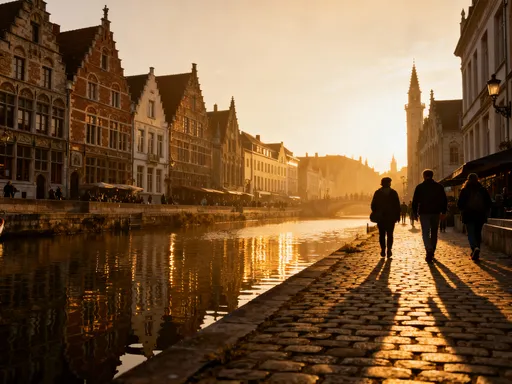
When you shift your focus from sightseeing to savoring, something profound happens. Nice stops being a checklist of attractions and becomes a living culture to be experienced with all your senses. You begin to notice the details: the way light falls on a cobblestone street in the late afternoon, the sound of a accordion drifting from an open window, the warmth of a shopkeeper’s handshake when you return for a second loaf of bread. These moments don’t fit neatly into photo albums, but they settle into your memory with quiet permanence.
This kind of travel is slower, yes, but it is also richer. It invites curiosity and rewards patience. Instead of rushing from one landmark to the next, you allow yourself to get slightly lost, to follow a scent of baking bread, to accept an unexpected invitation. These unplanned encounters often become the most cherished parts of a journey — the conversation with a gardener at a monastery, the shared laughter over a language mix-up at a market stall, the discovery of a hidden courtyard blooming with jasmine.
More than that, this approach fosters respect. It acknowledges that Nice is not a stage set for visitors, but a city with its own rhythms, challenges, and pride. By engaging with it on its own terms — shopping where locals shop, learning a few words of French, supporting small producers — you become a guest rather than a consumer. You contribute to a model of tourism that honors the place and its people, rather than simply extracting experiences for personal enjoyment.
In the end, the most valuable souvenirs aren’t the ones you pack in your suitcase, but the ones you carry in your heart. They are the memories of connection, the appreciation for craftsmanship, the understanding that beauty exists not only in grand vistas but in quiet moments of authenticity. Nice, seen through this lens, is not just a destination — it is a reminder that the world is full of depth, waiting to be discovered one small, intentional step at a time.